About the Conference
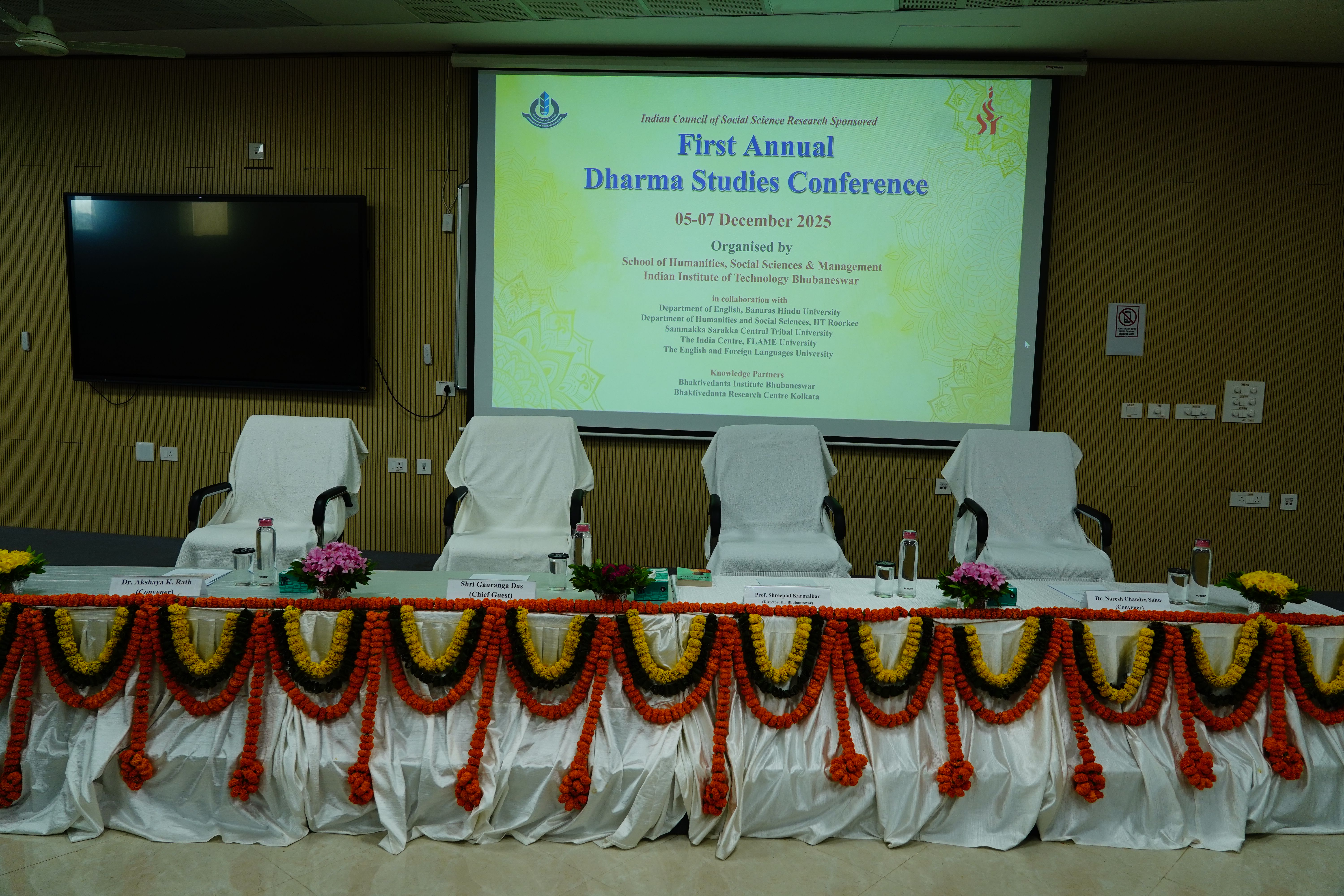
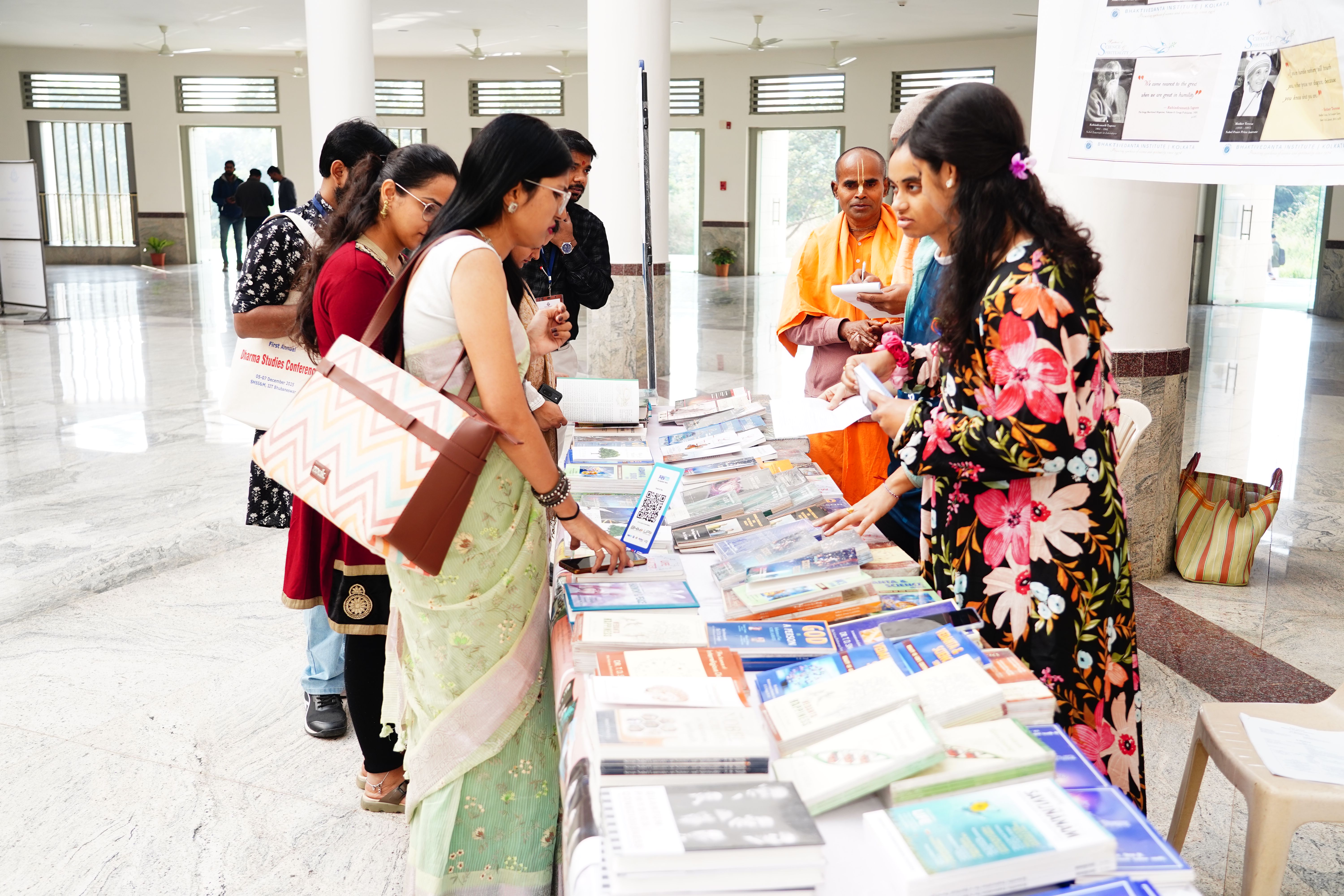
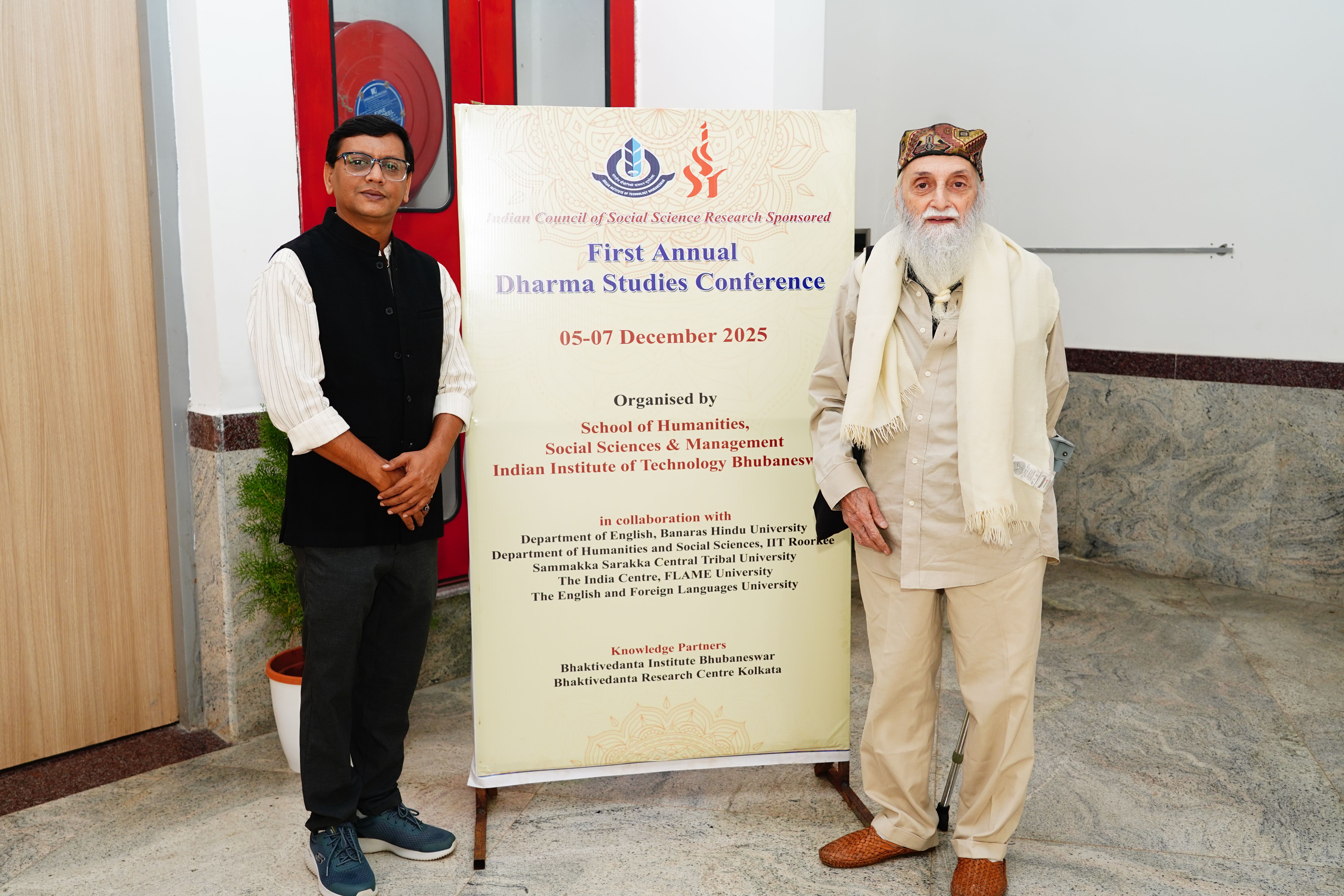
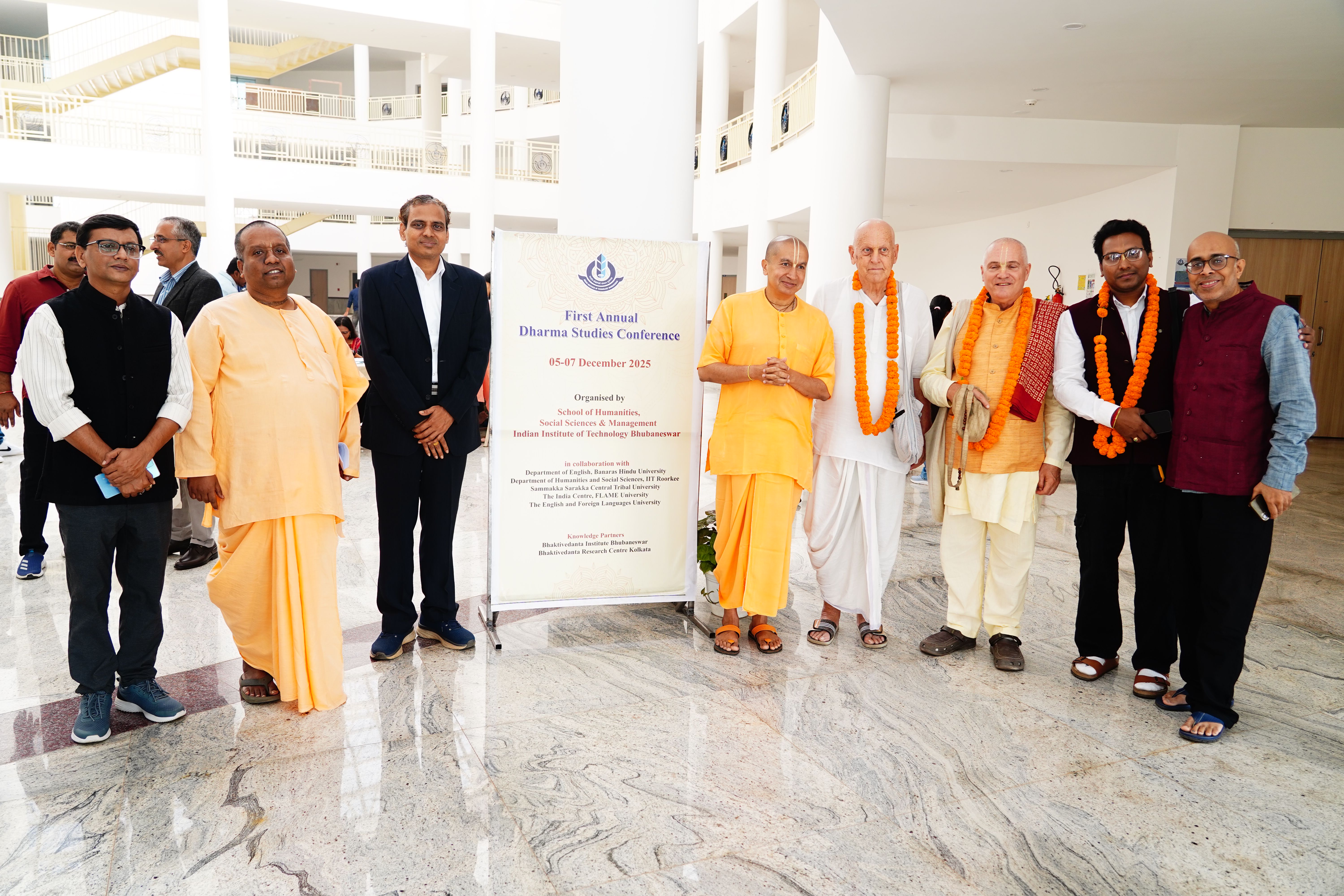
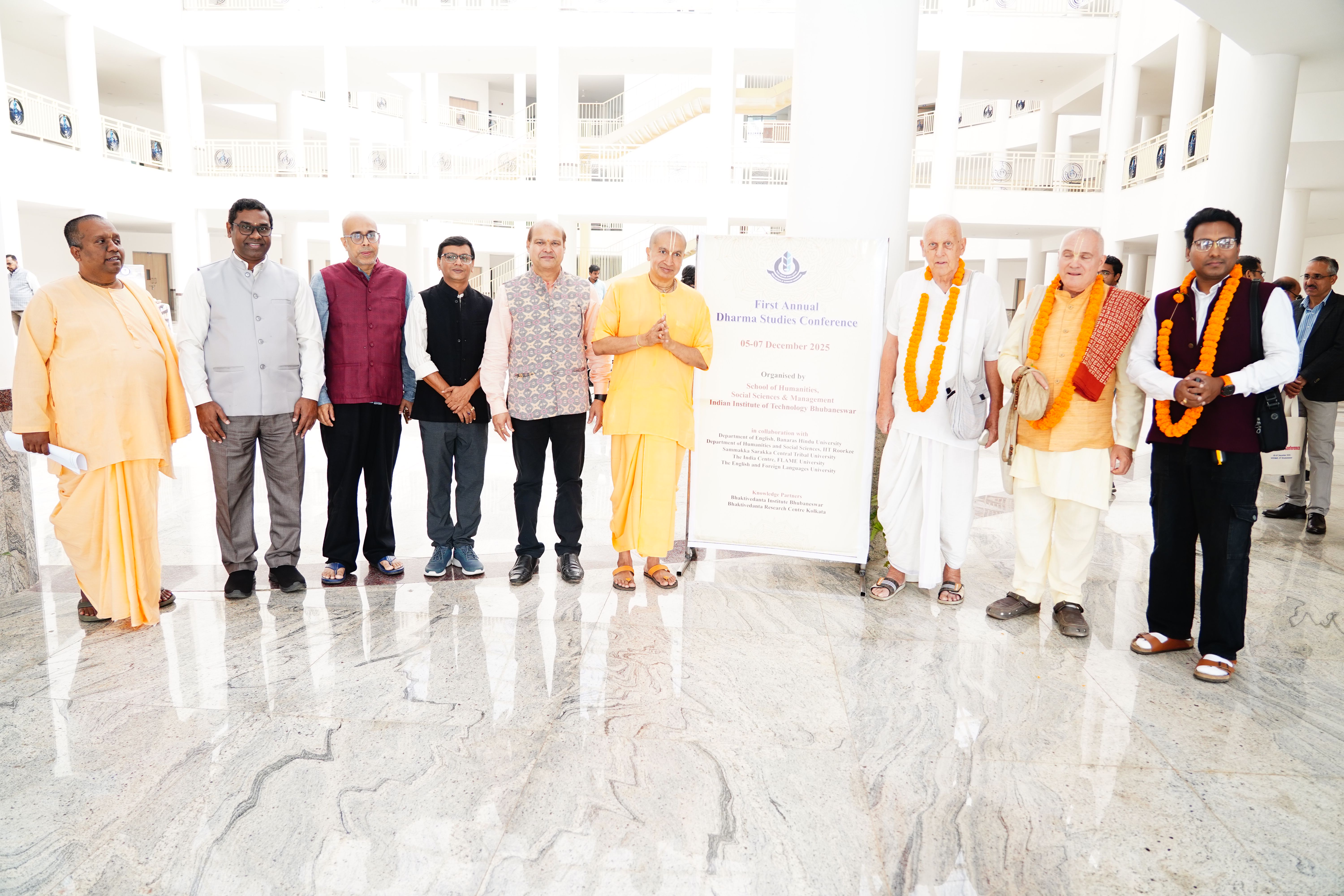
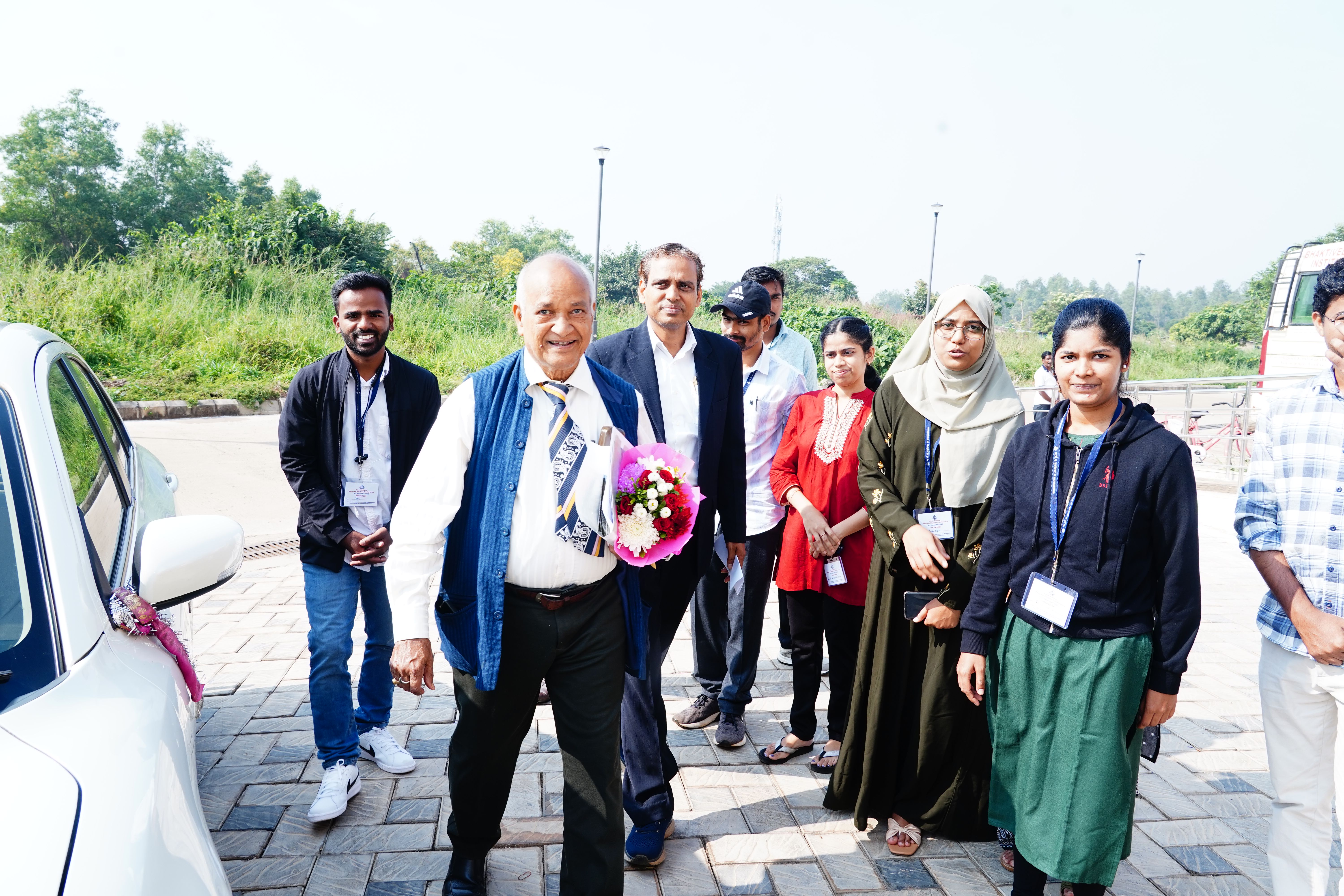
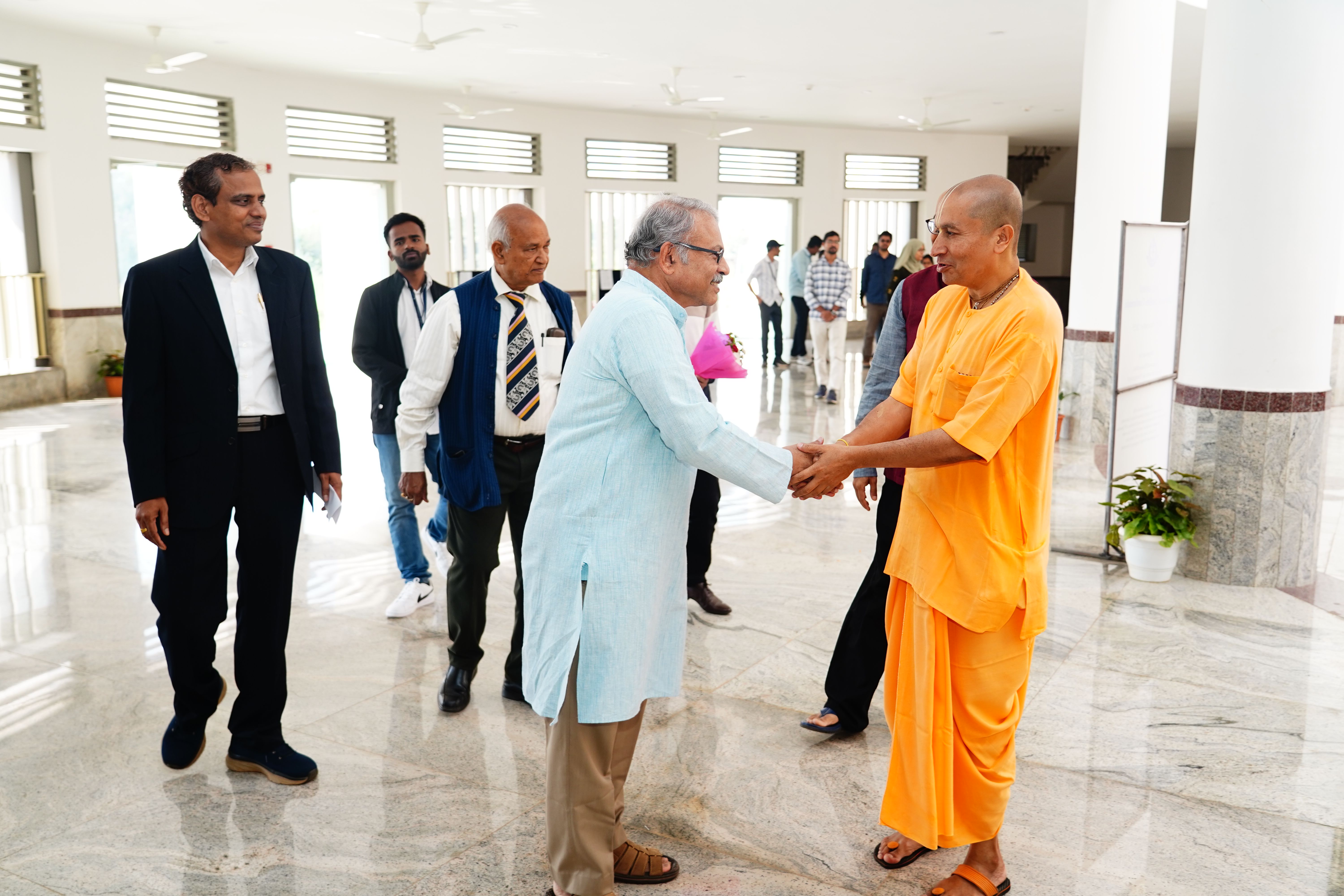
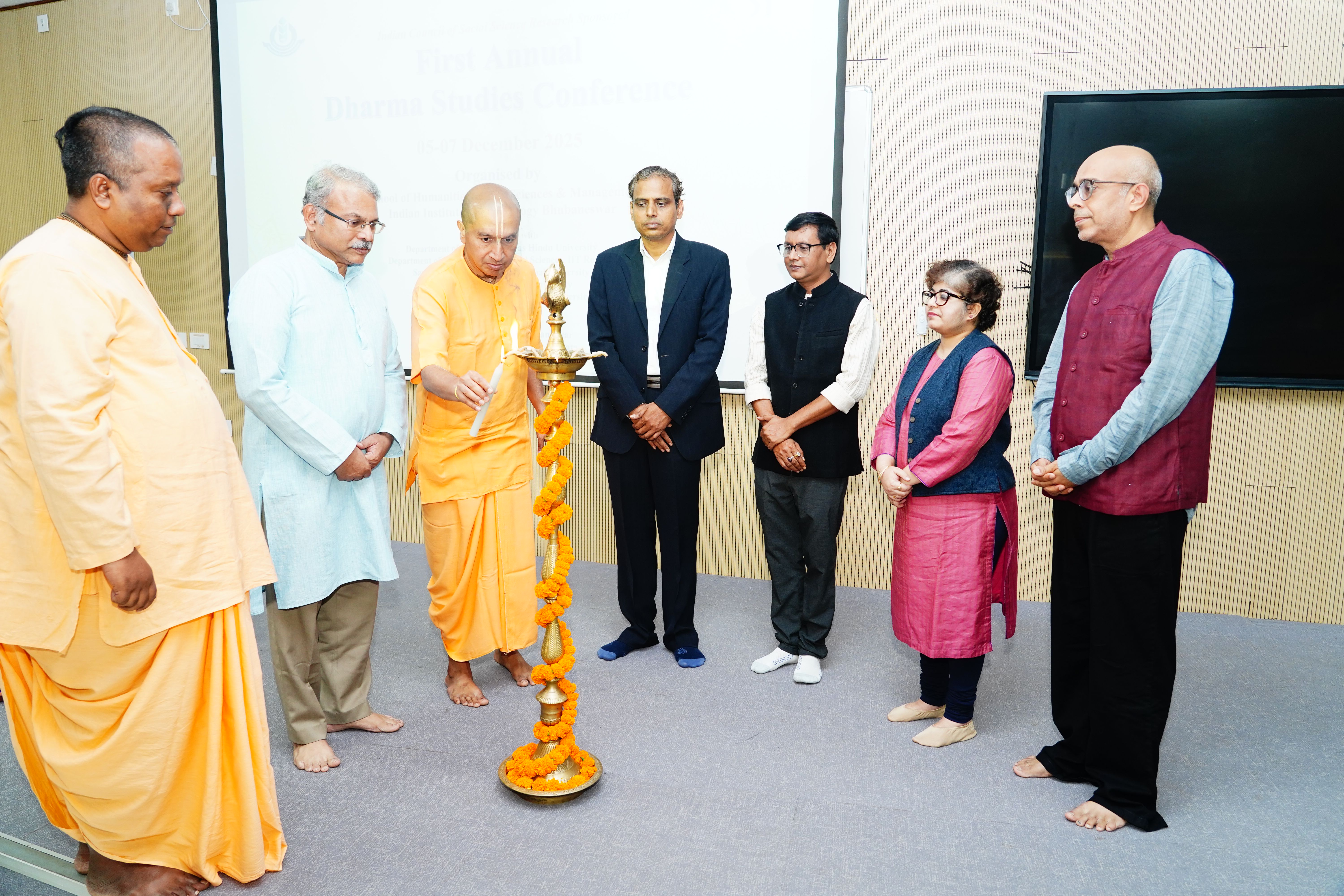
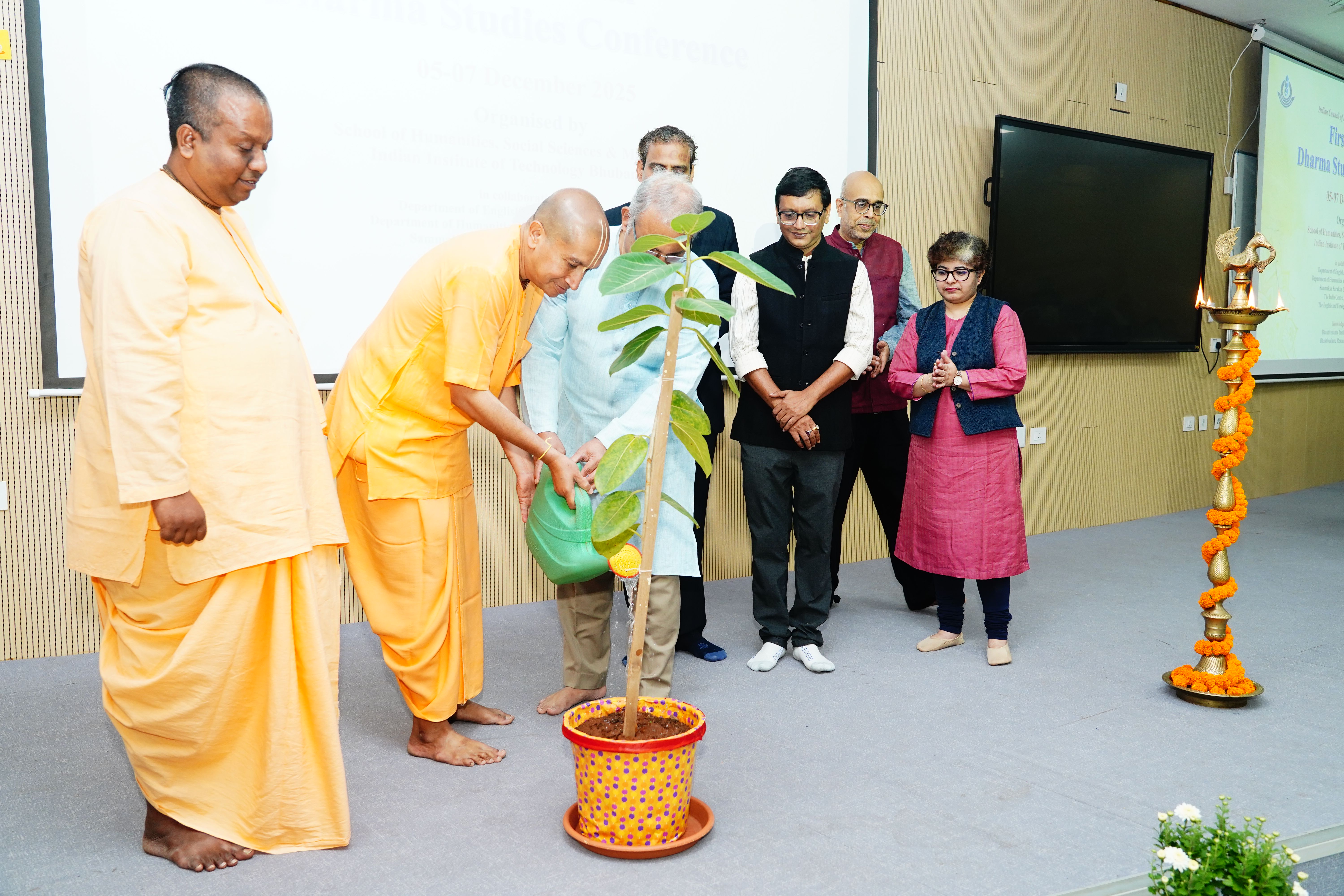
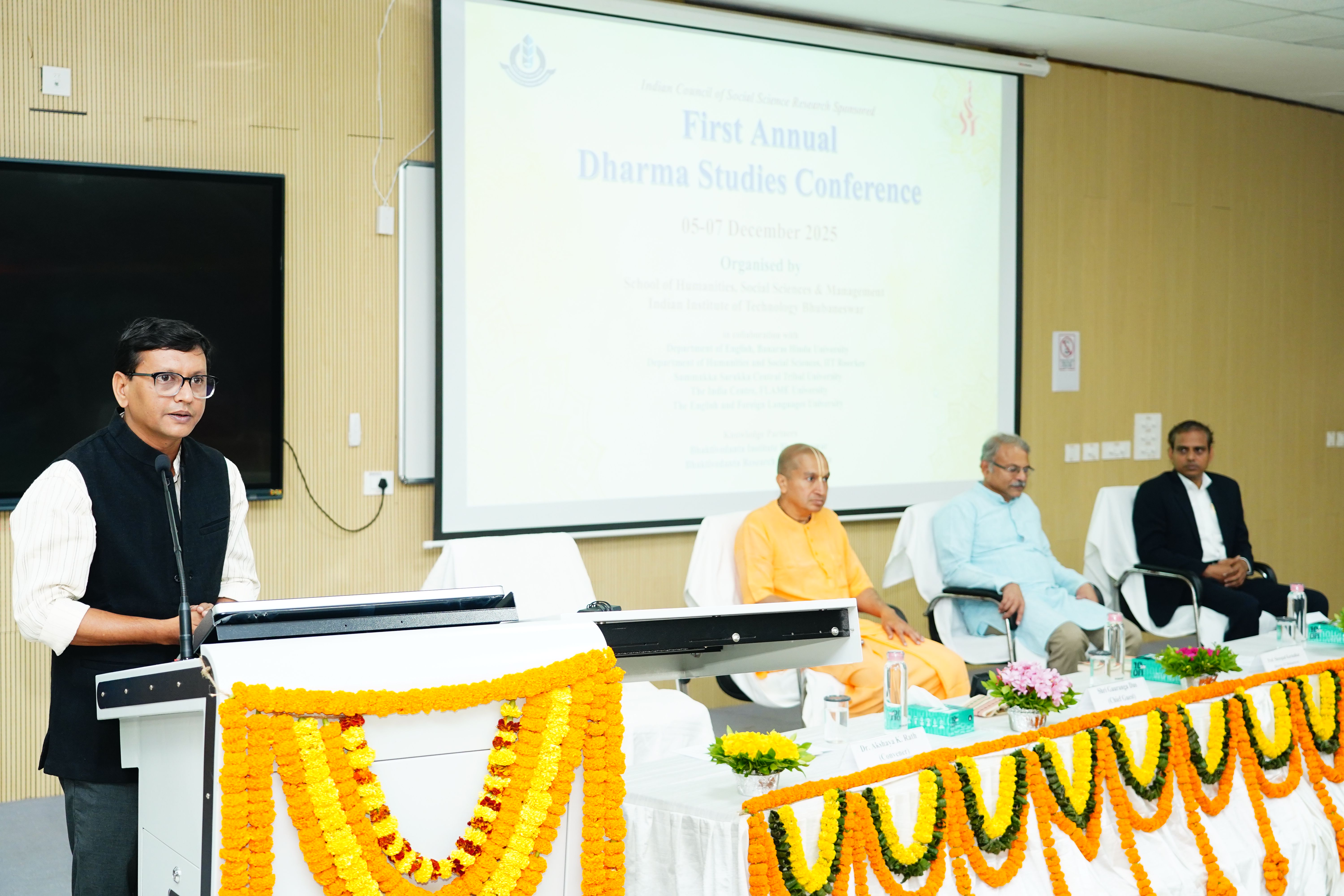
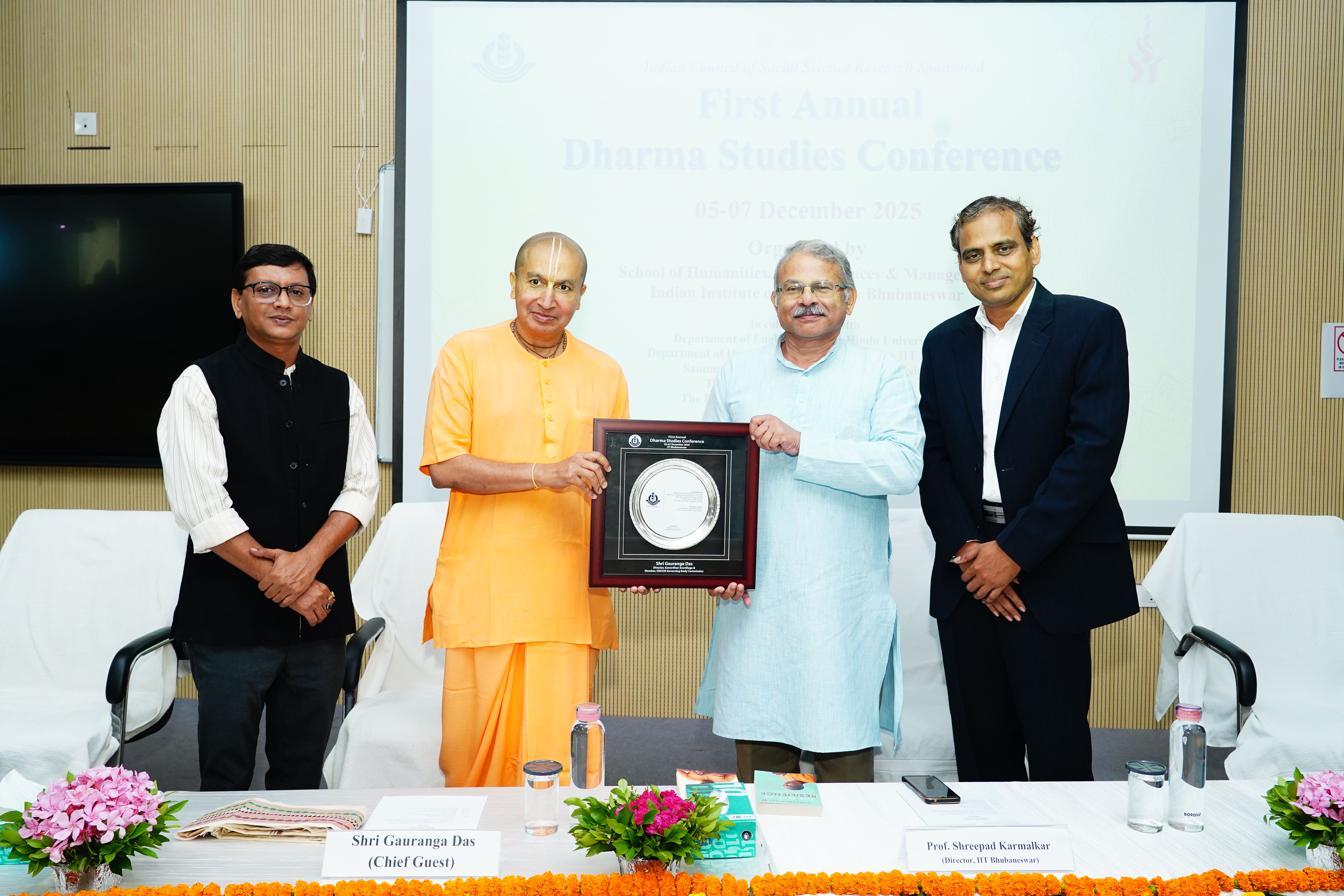
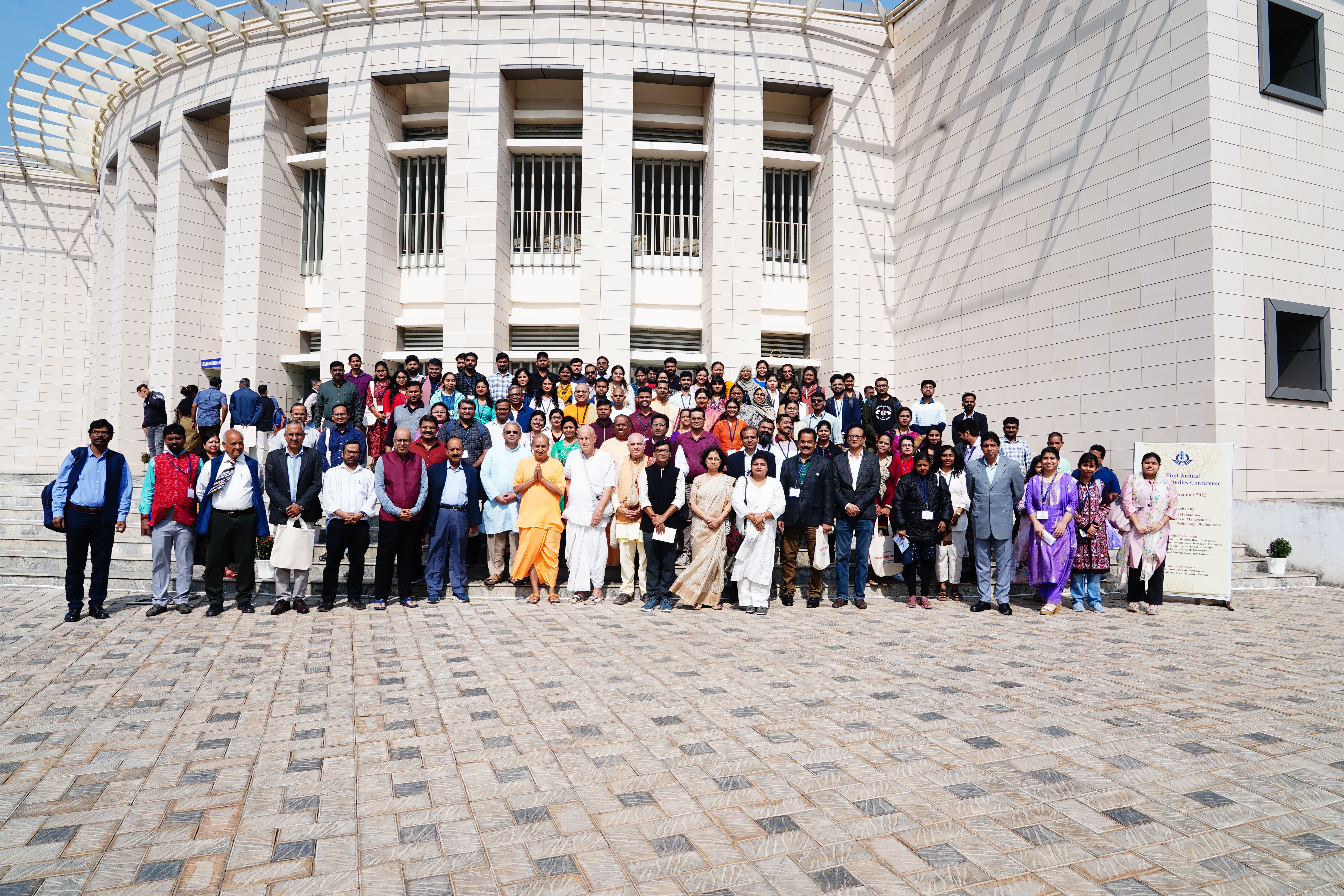
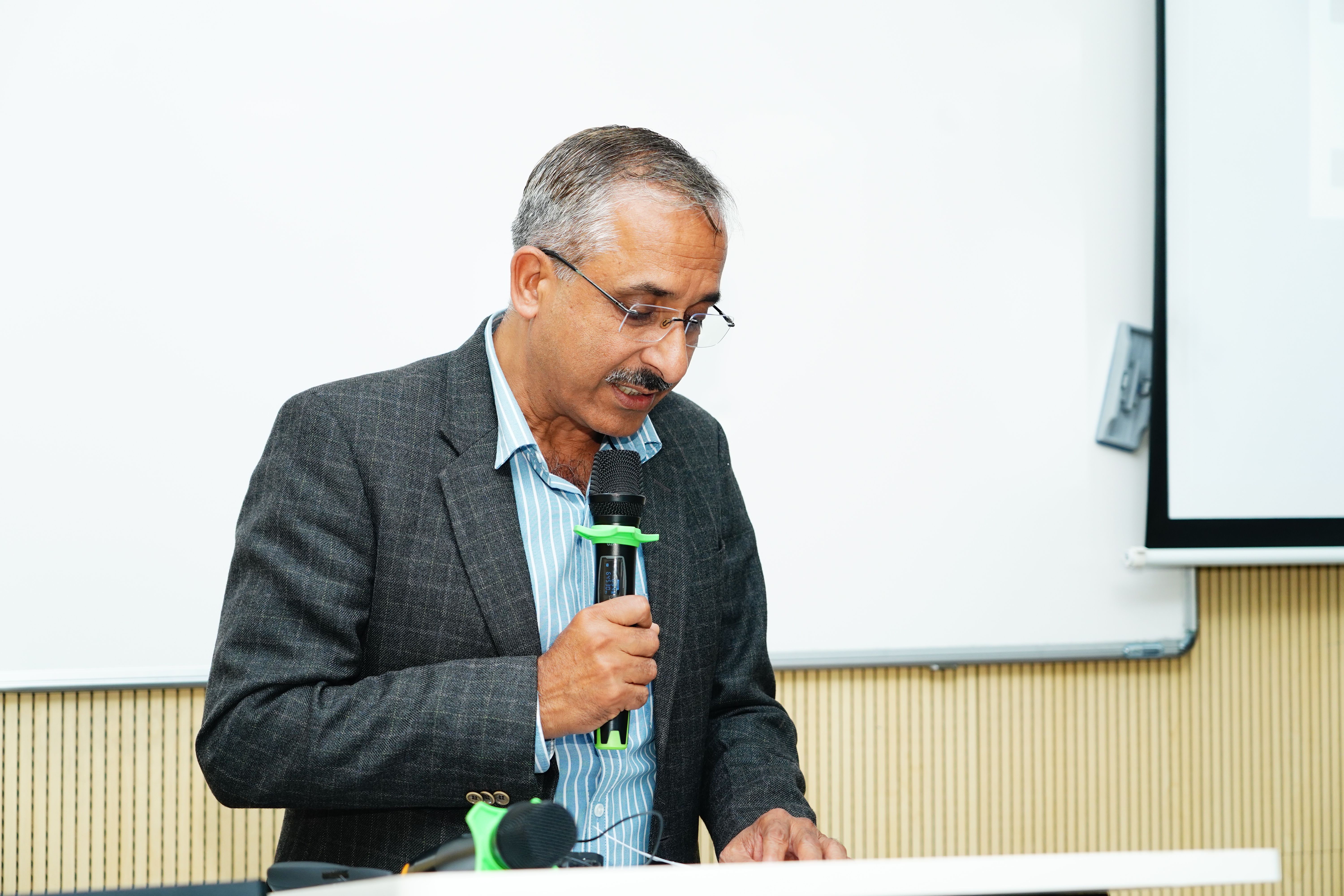
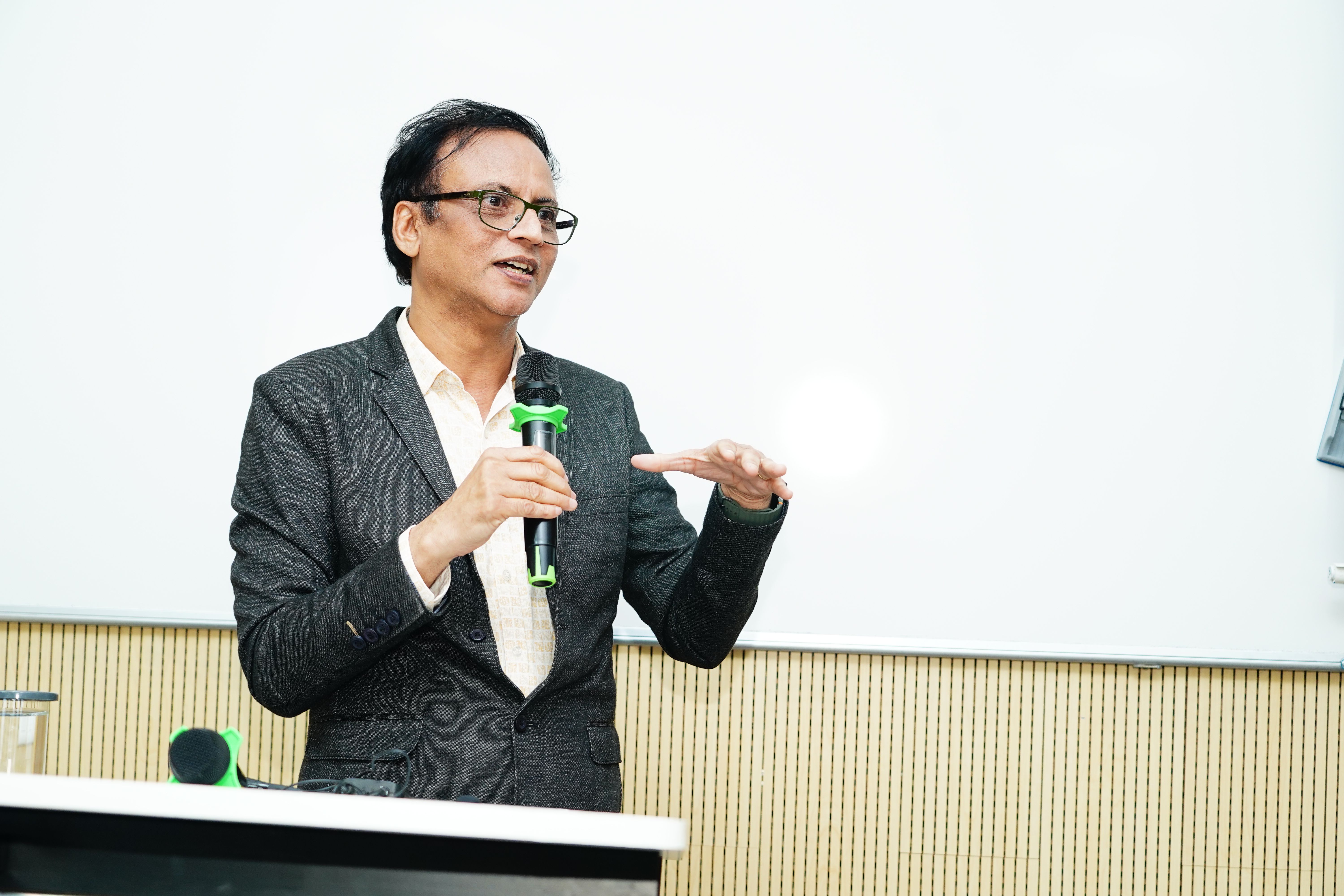
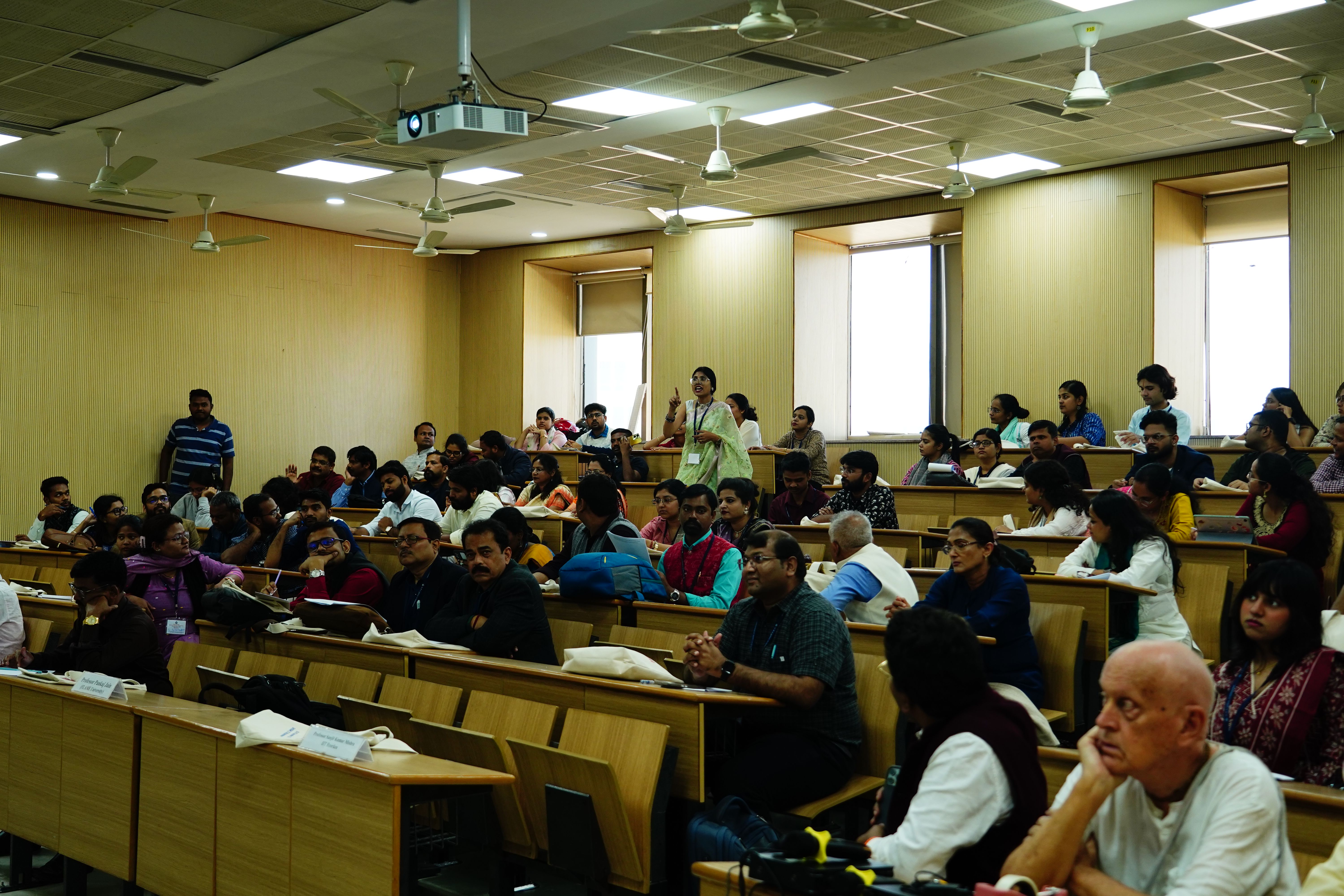
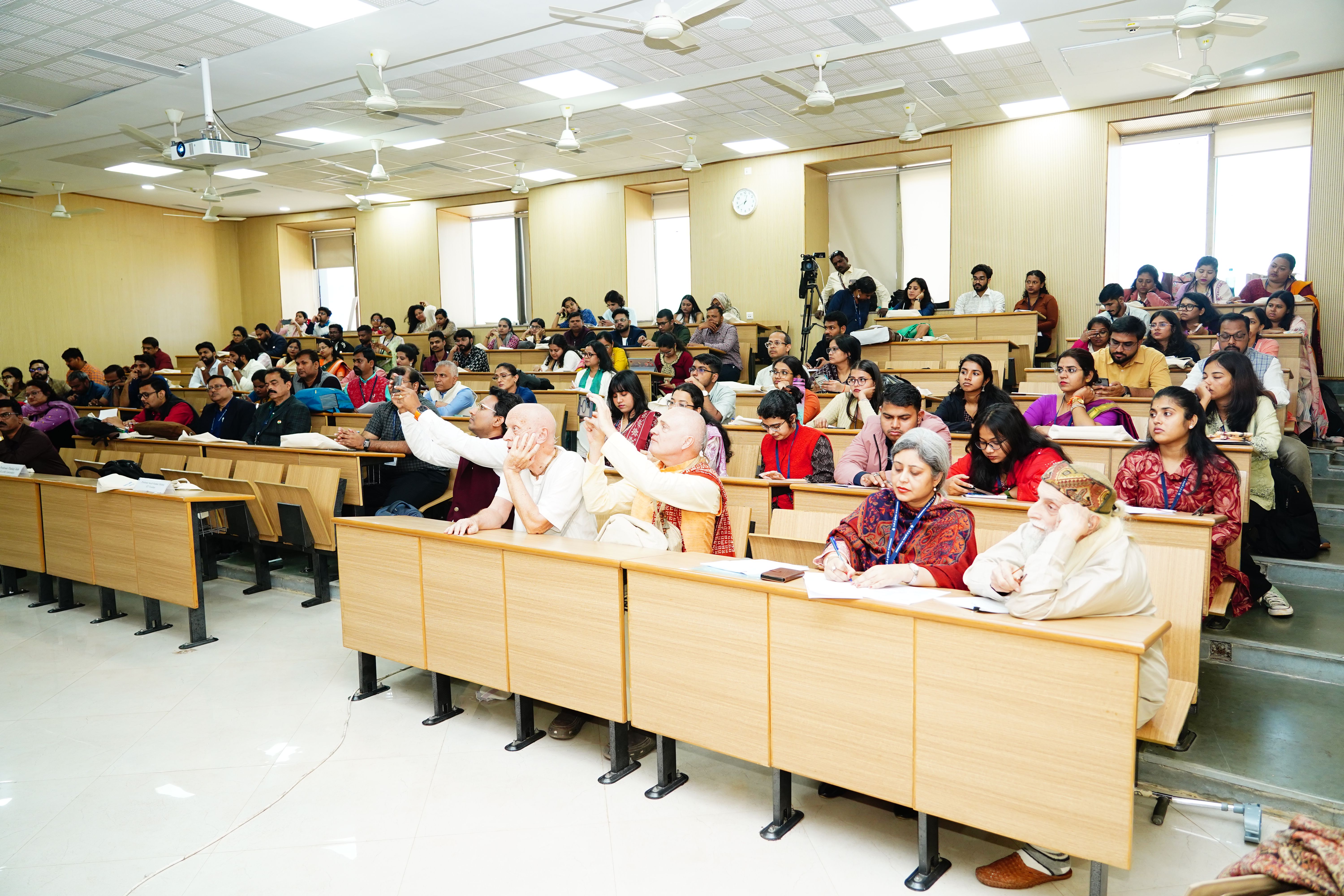
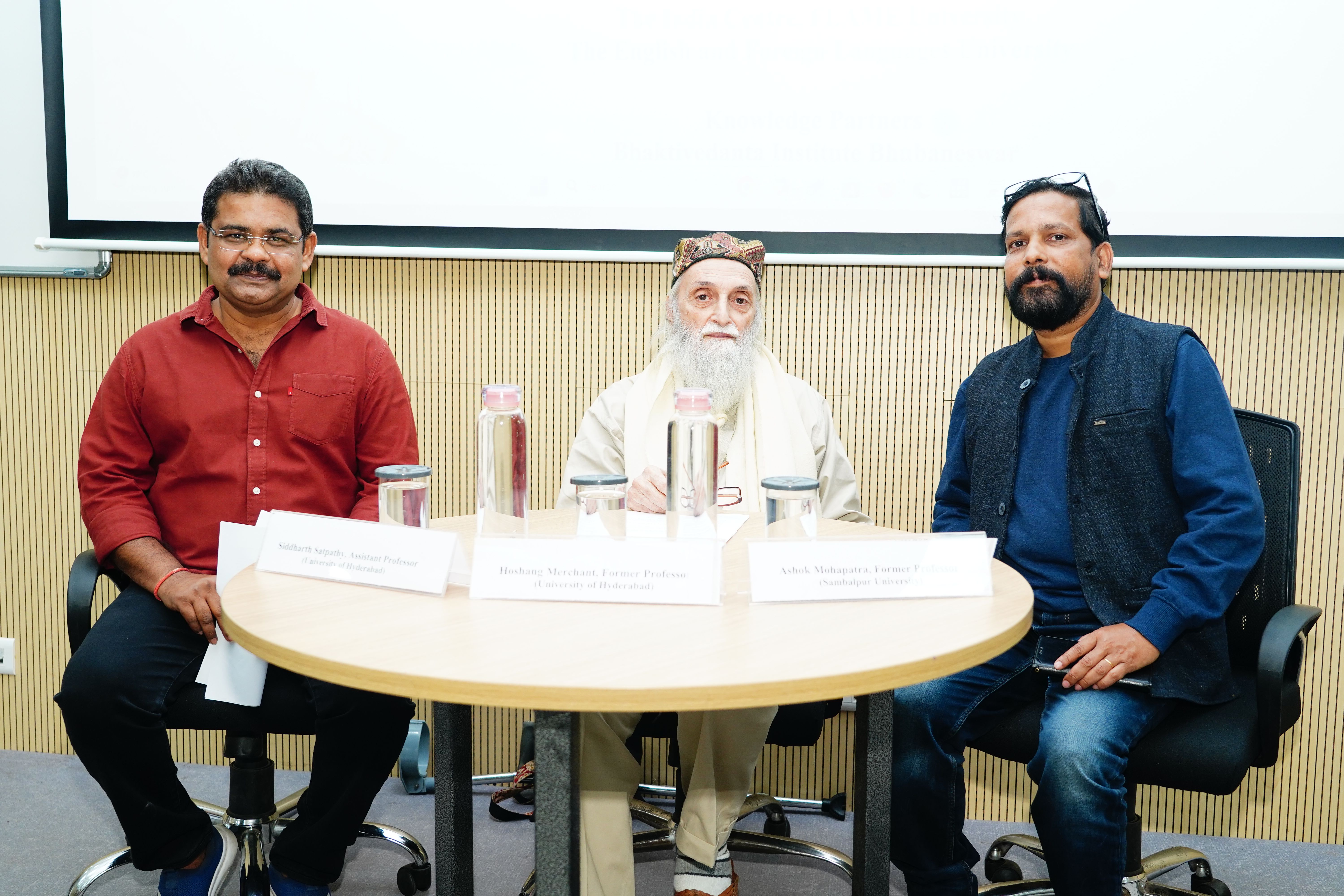
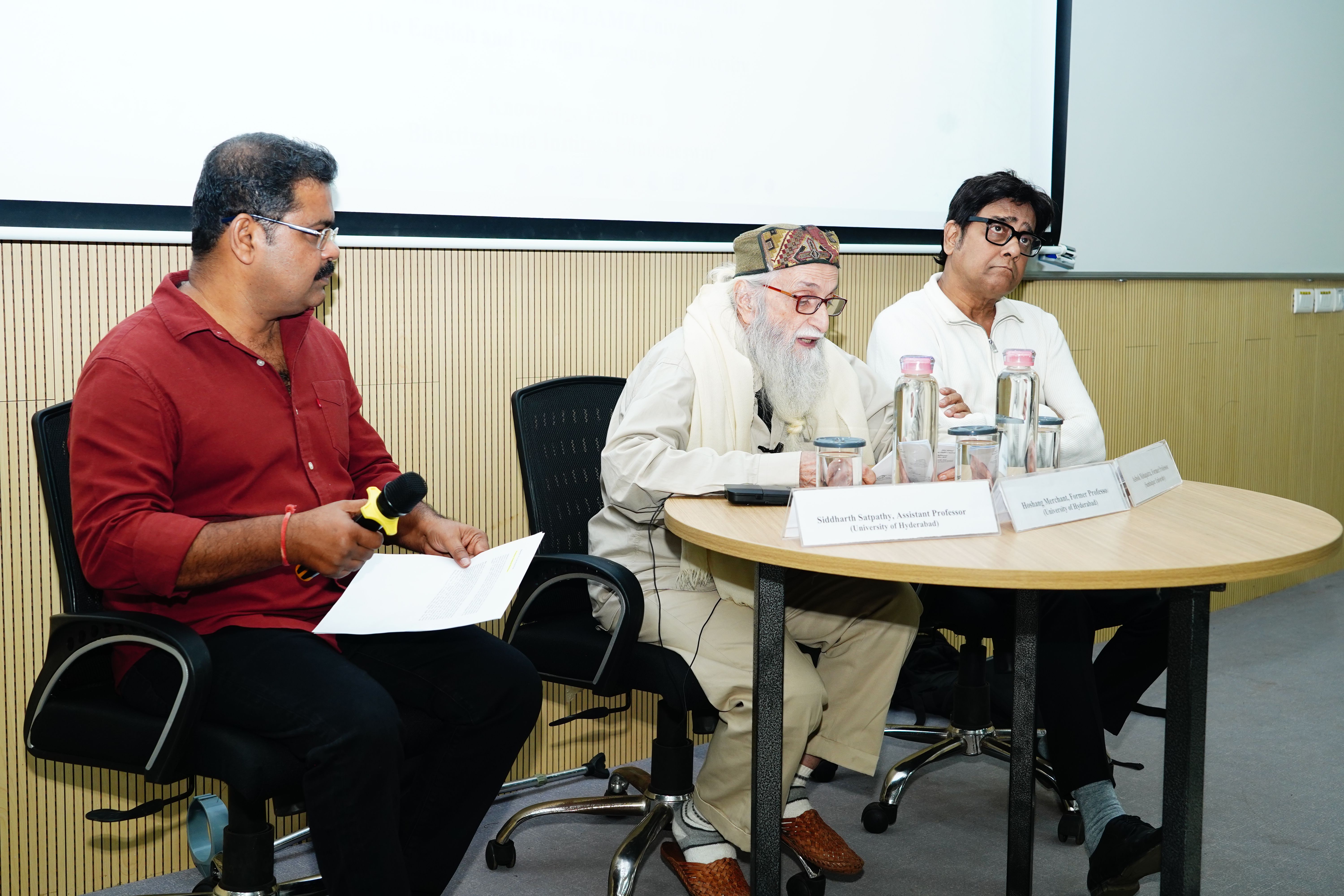
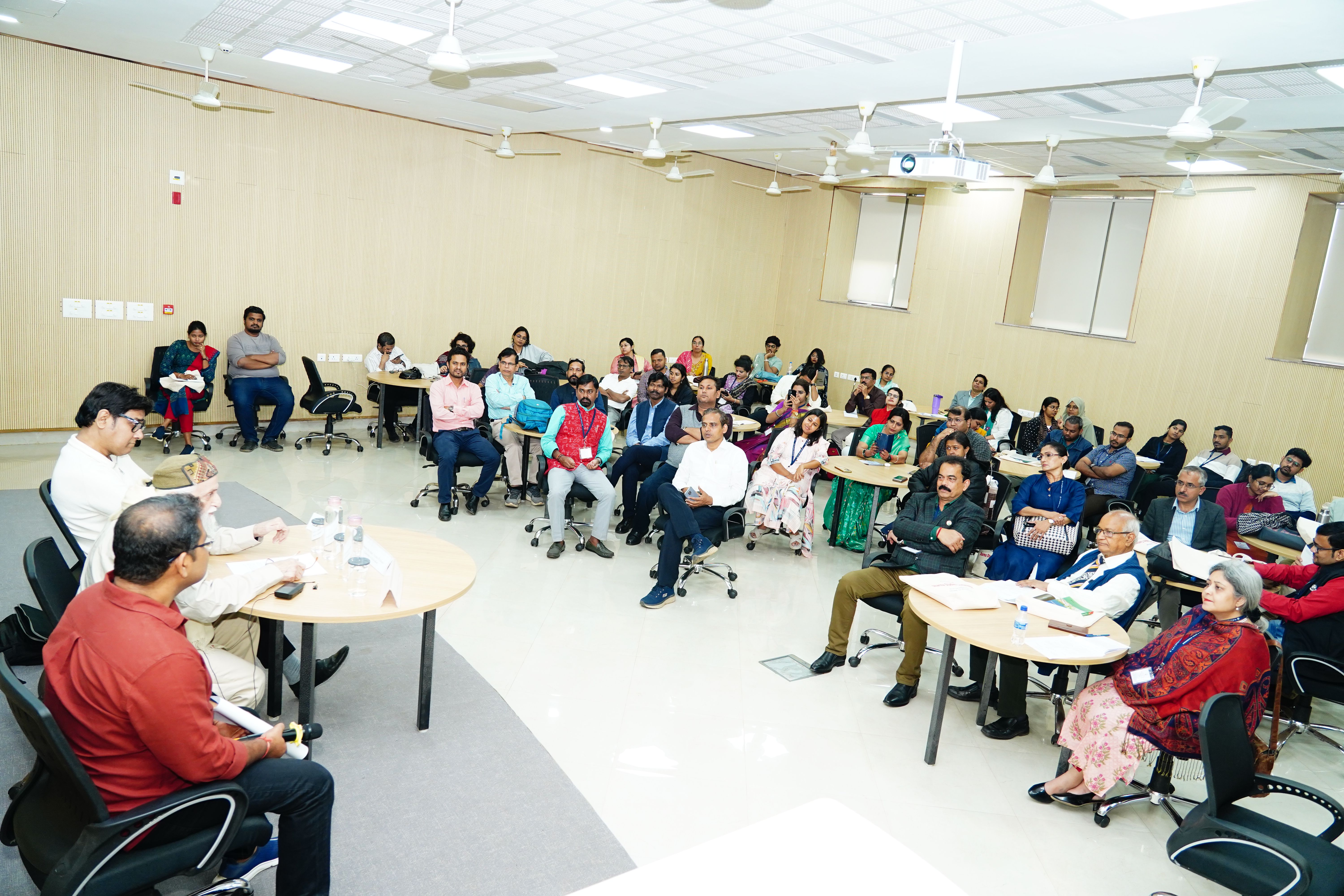
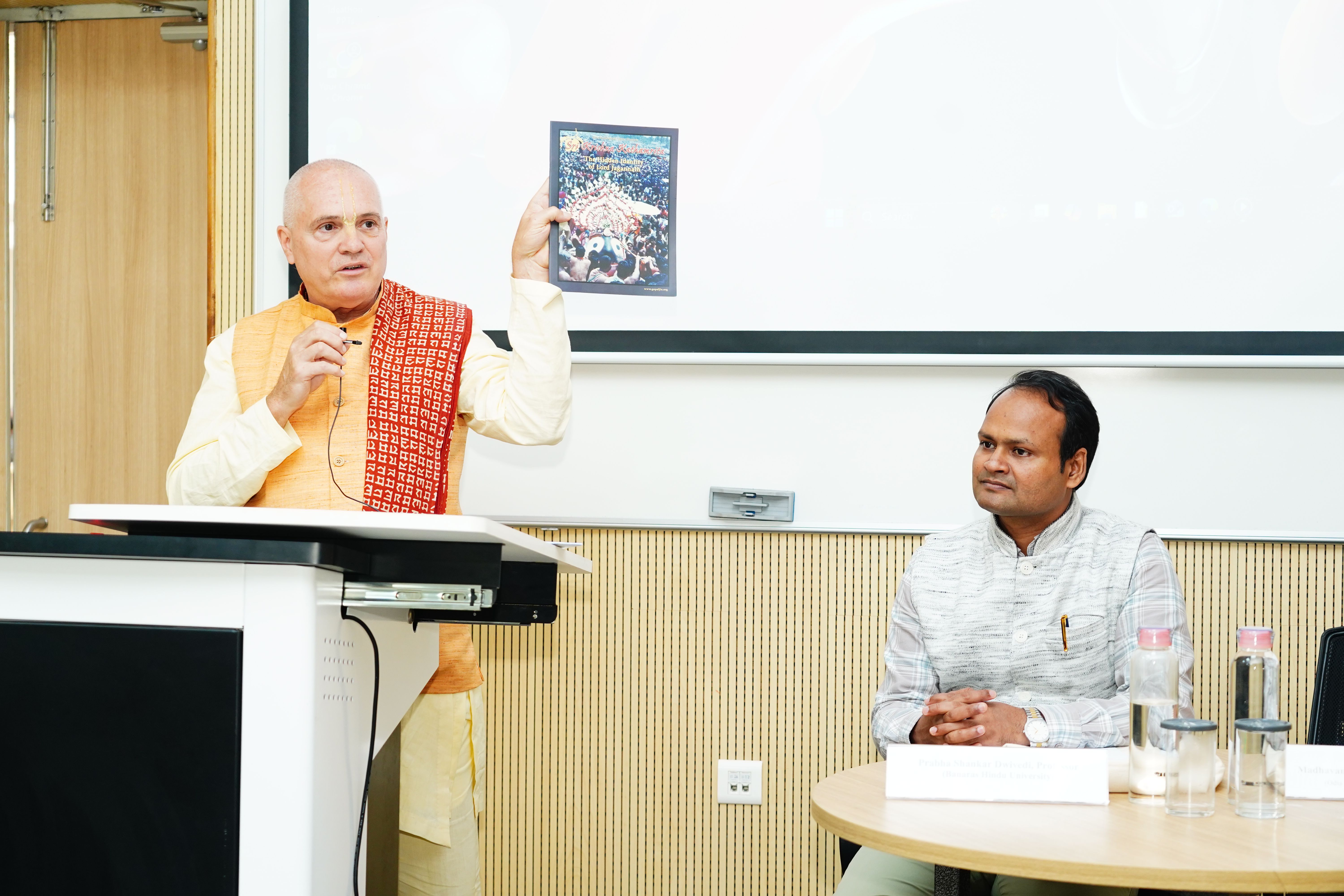
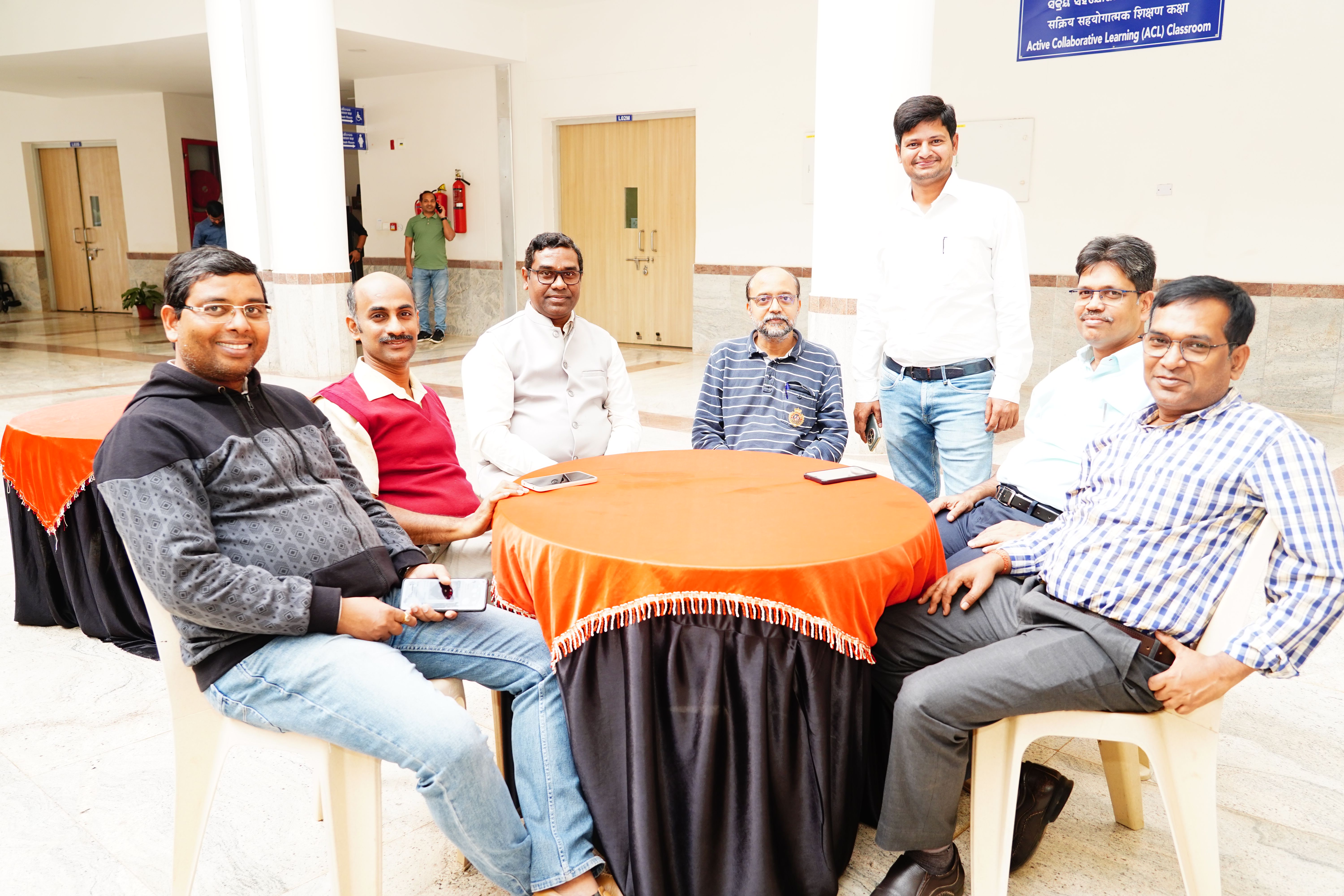
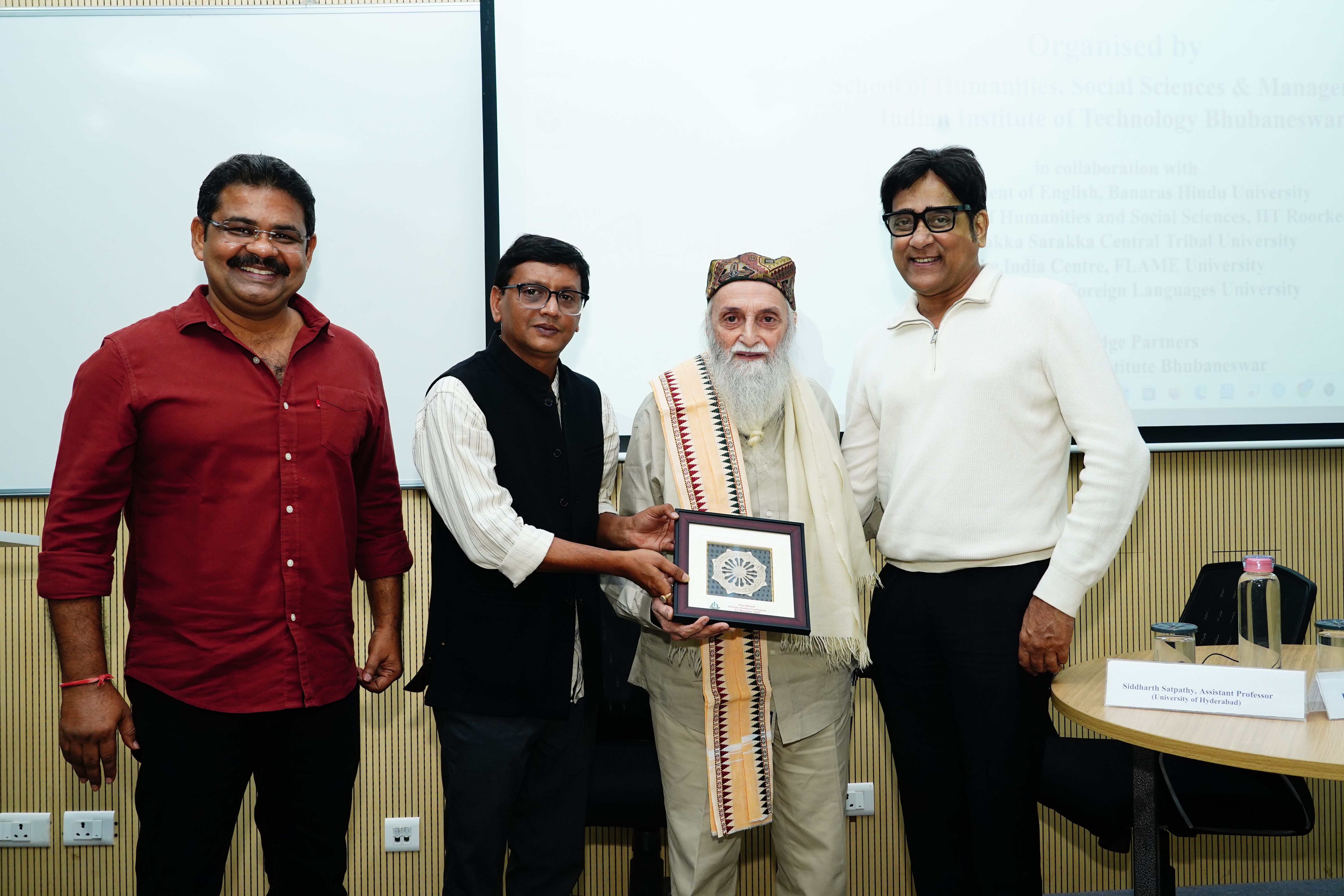
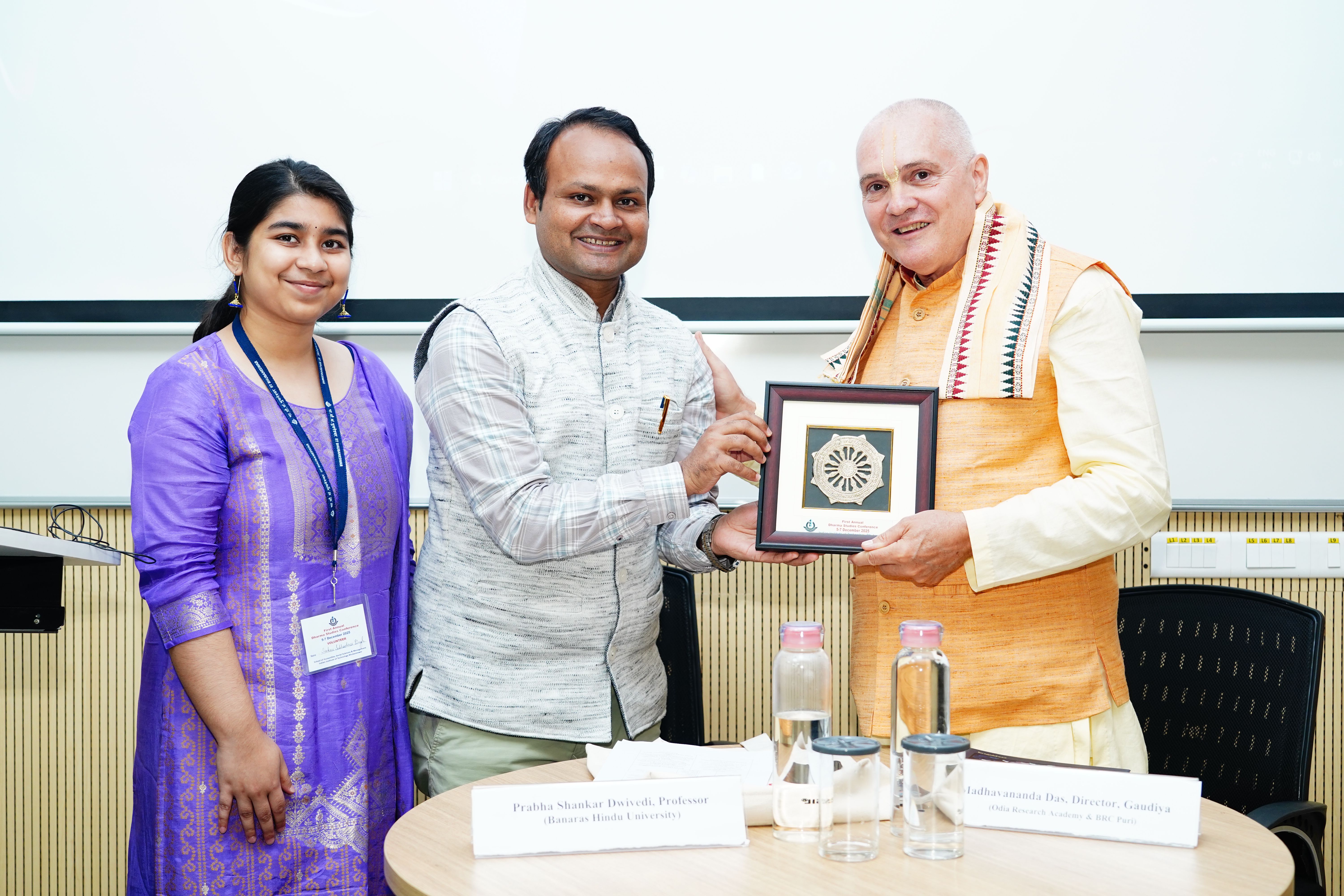
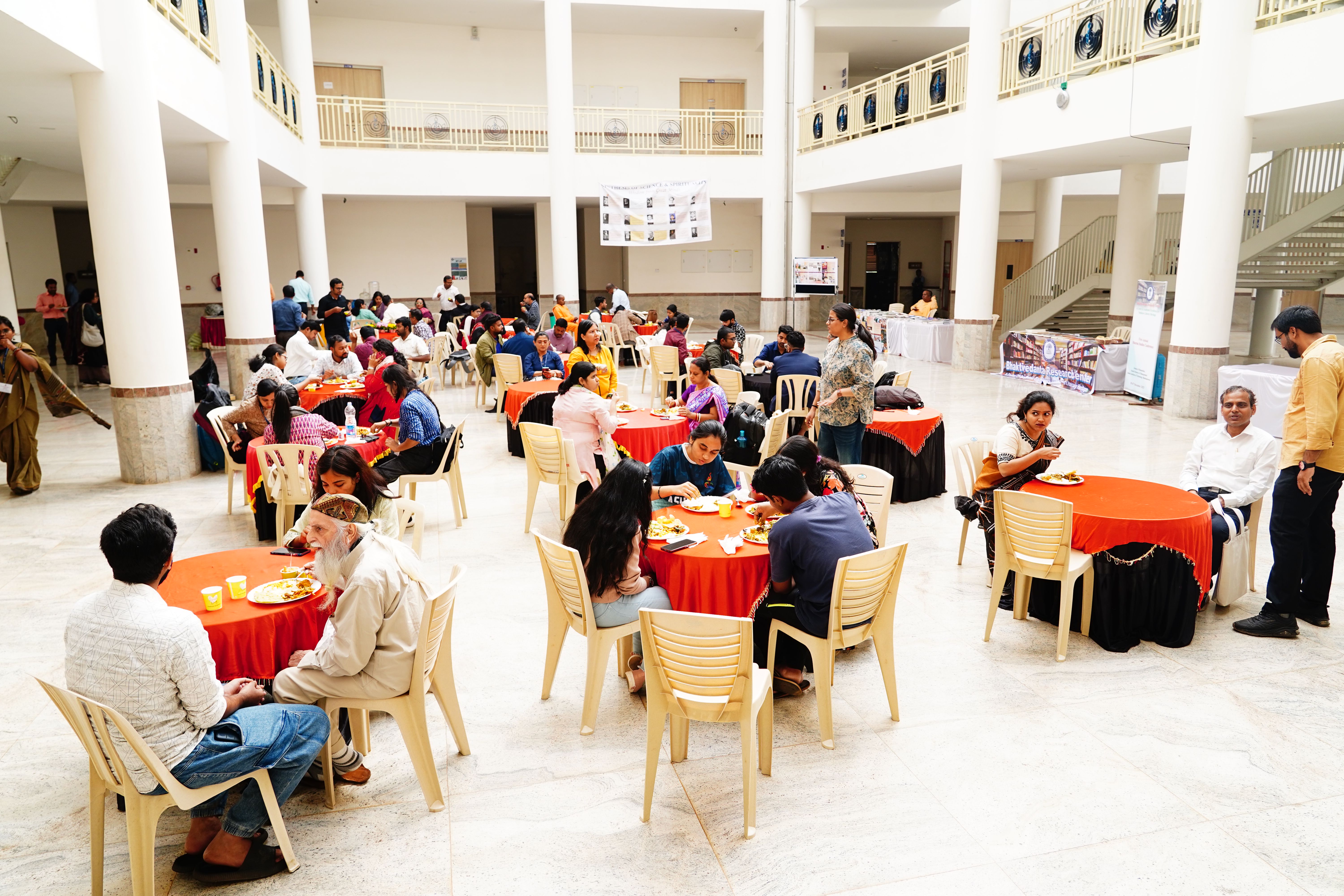
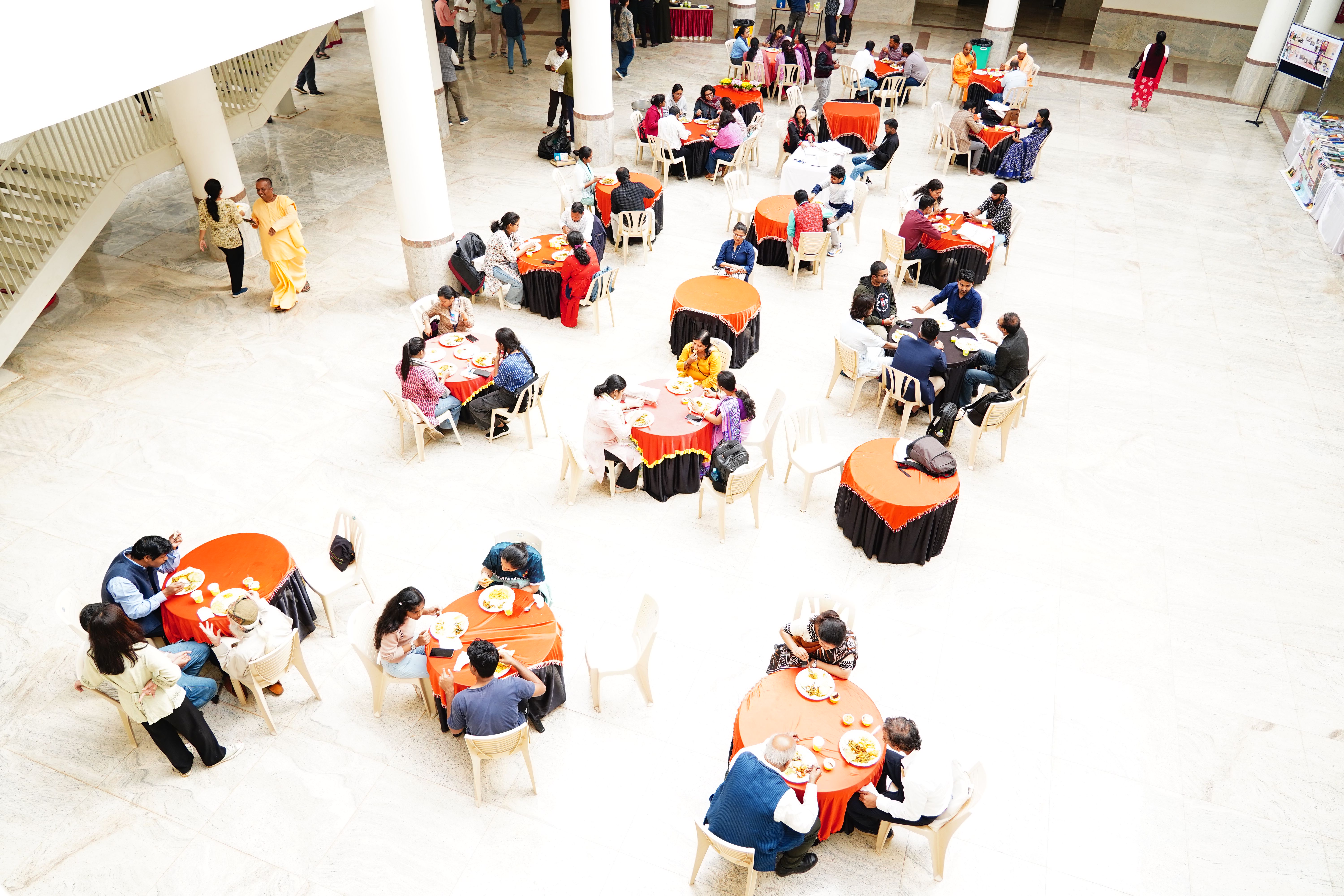
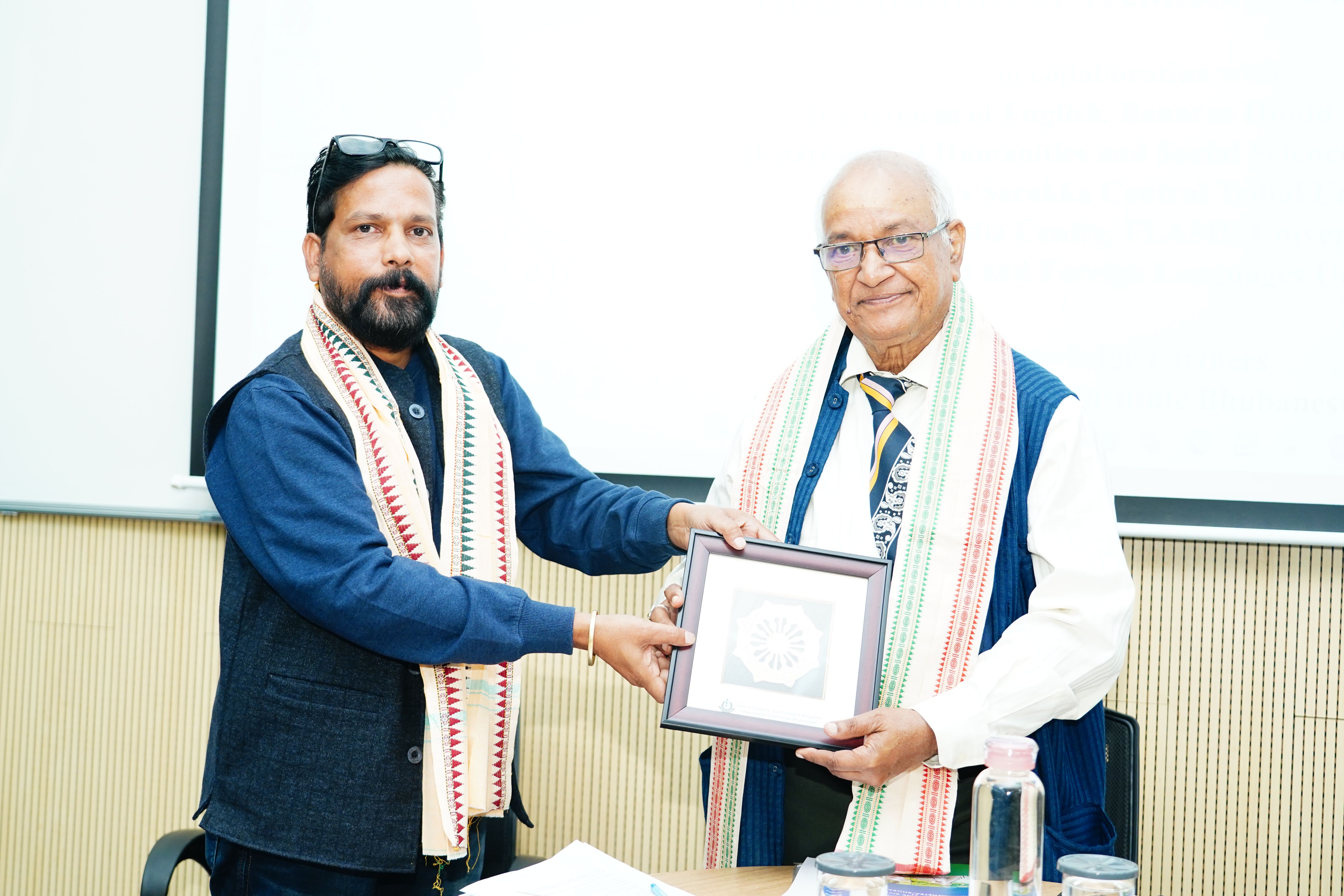
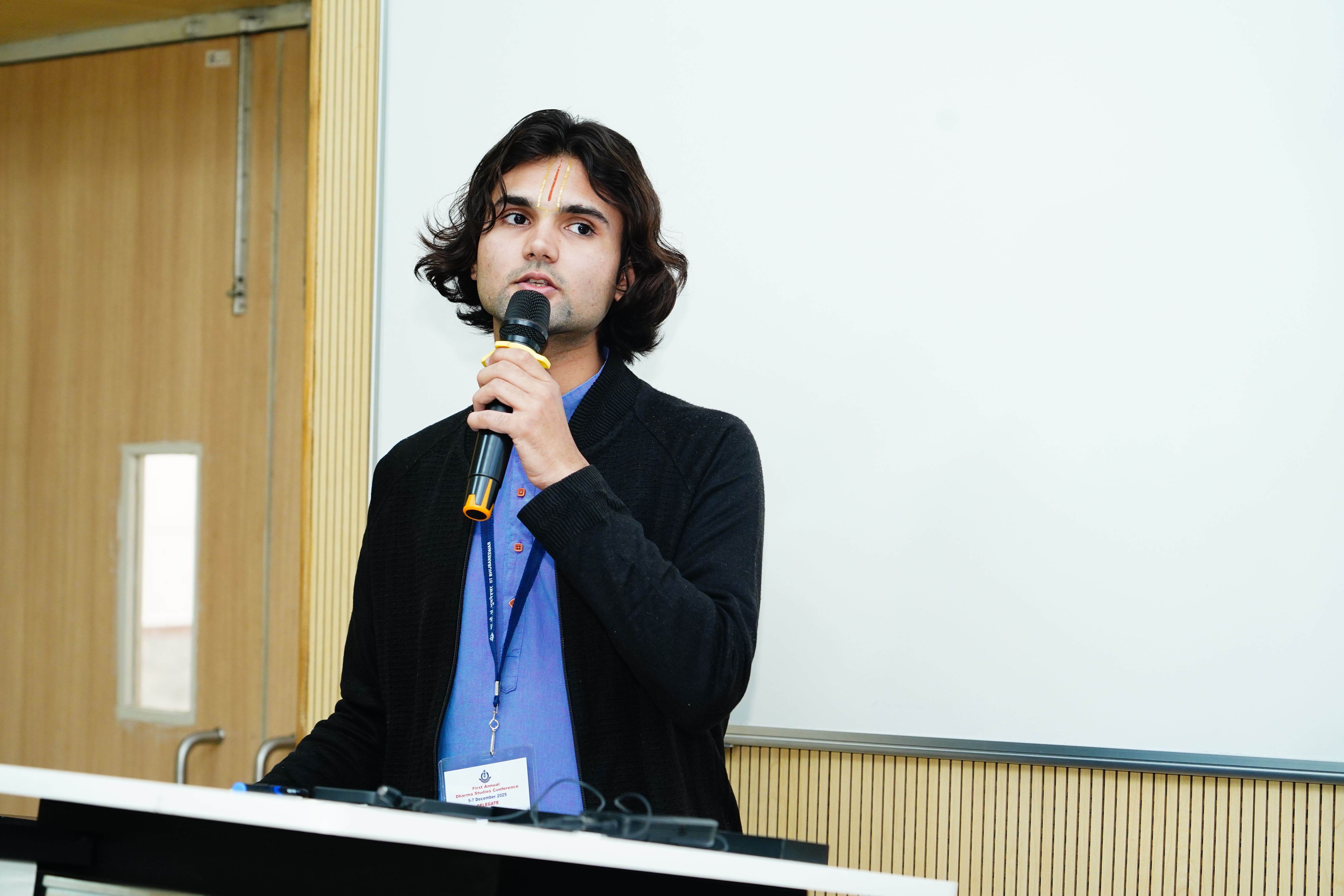
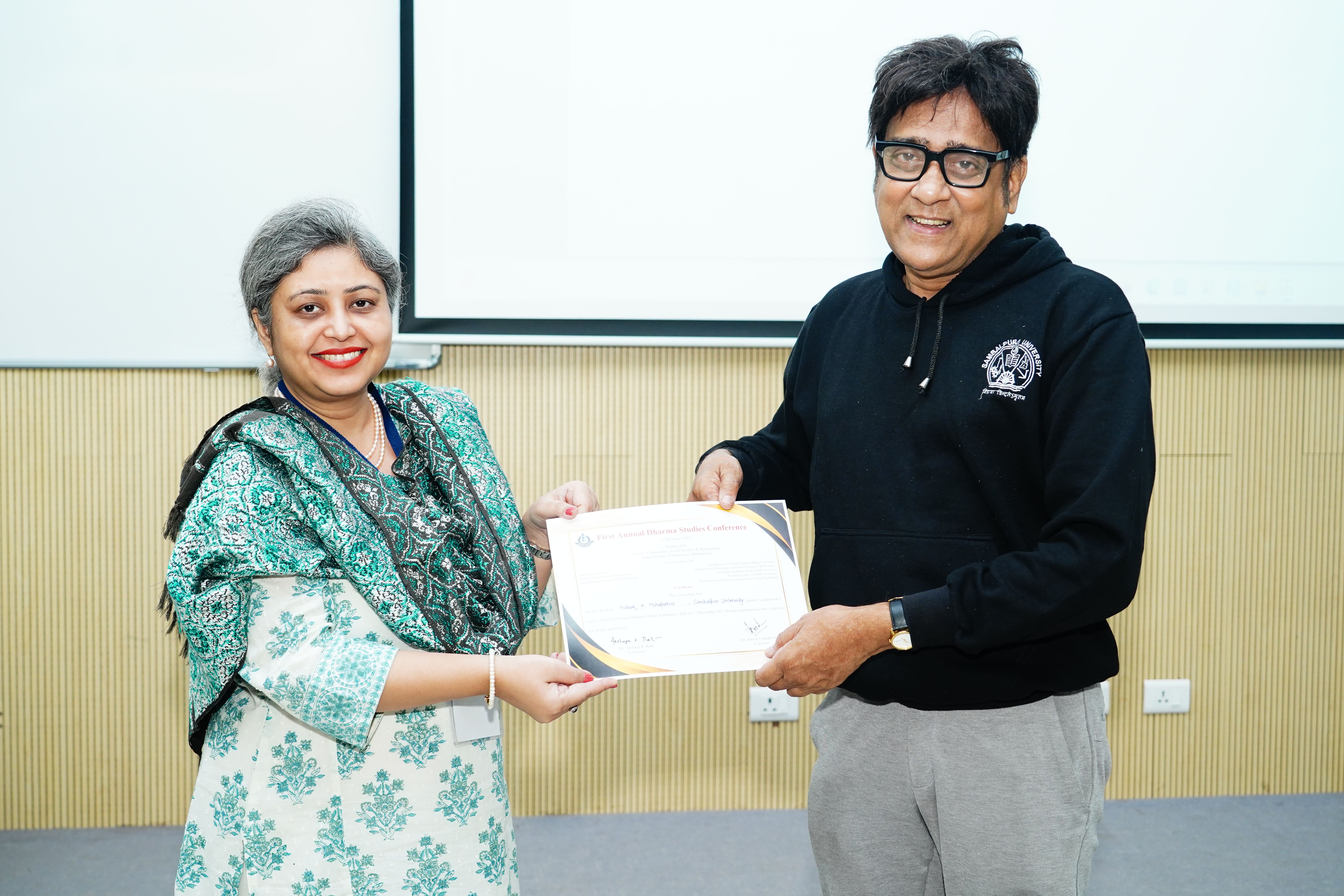
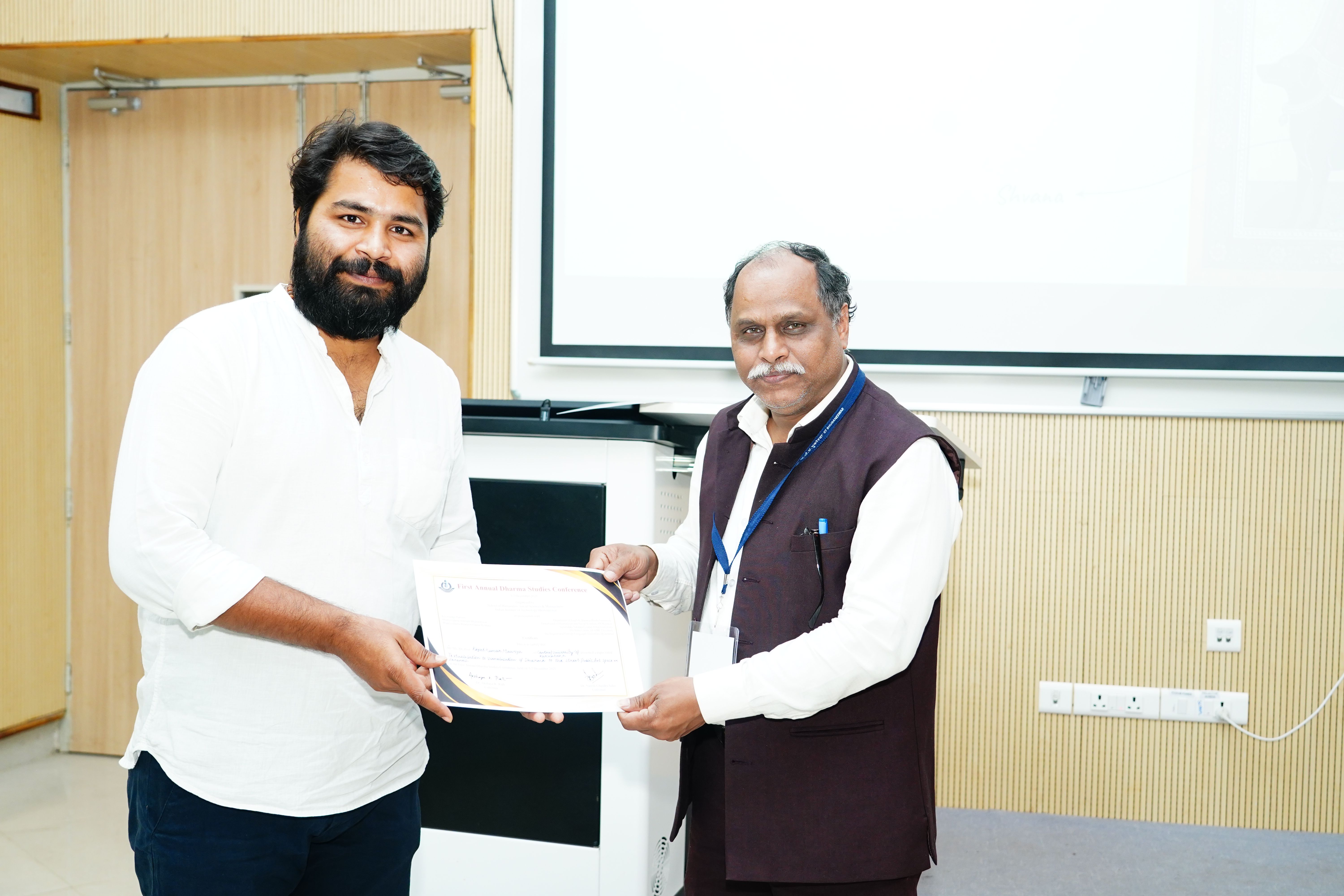
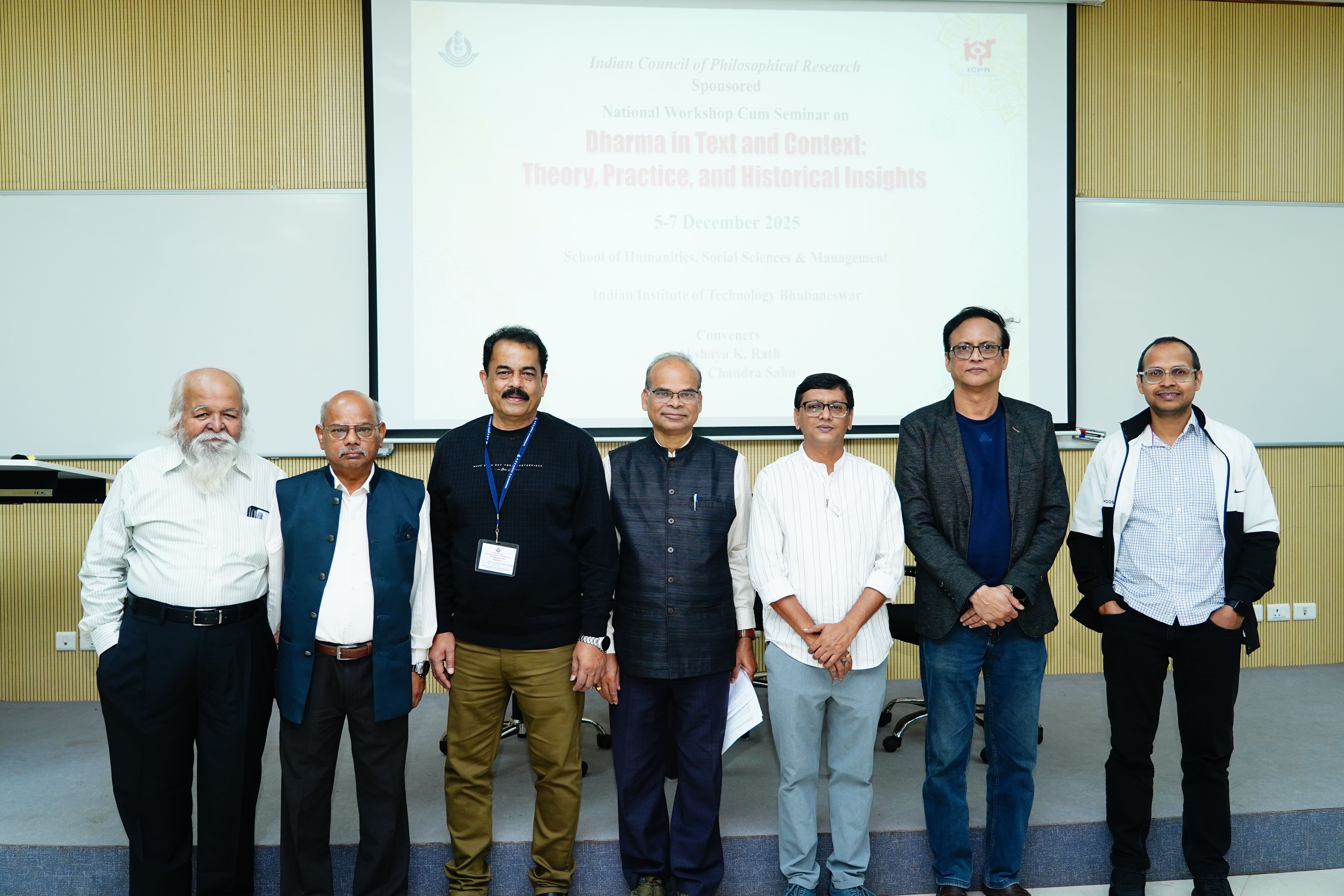
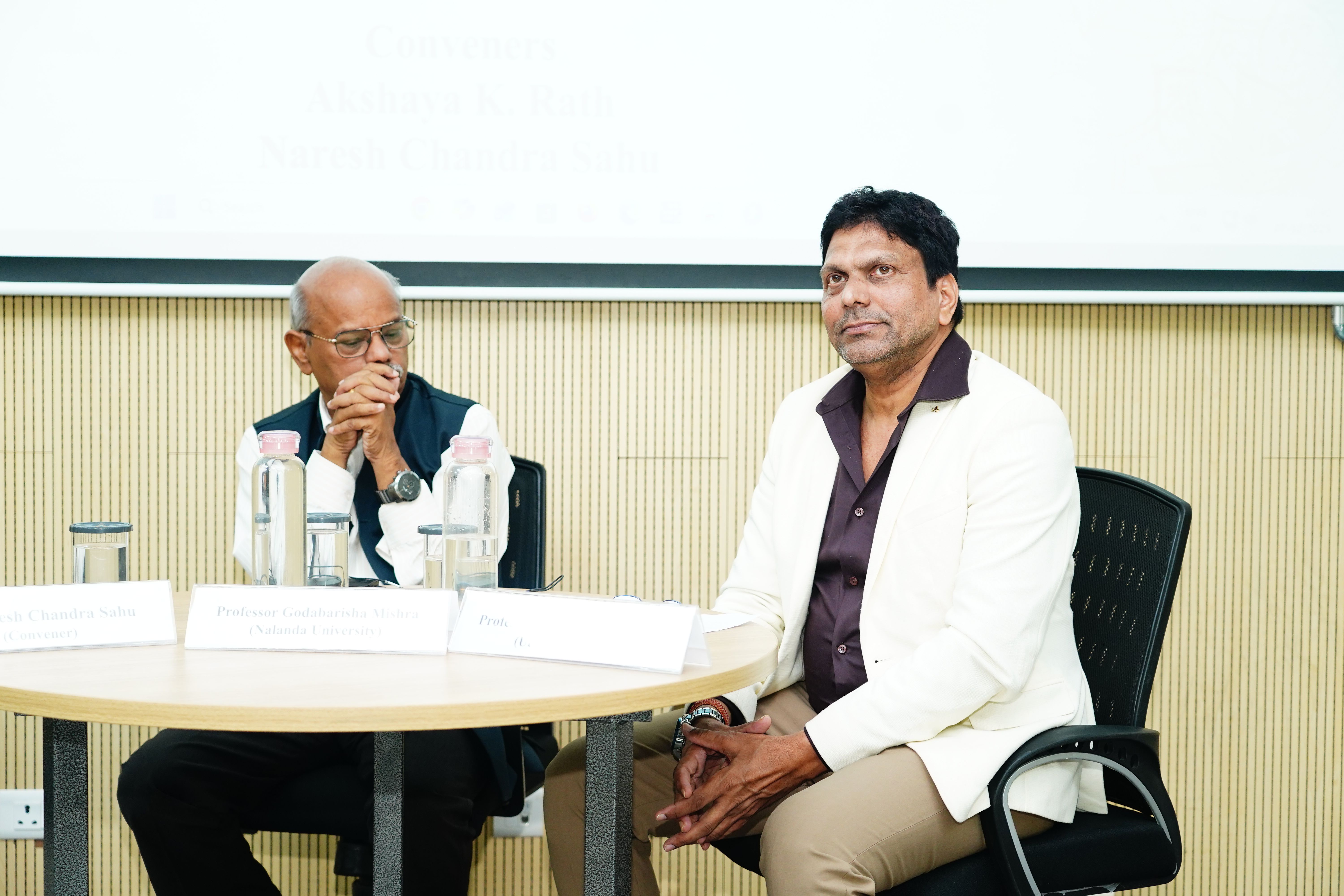
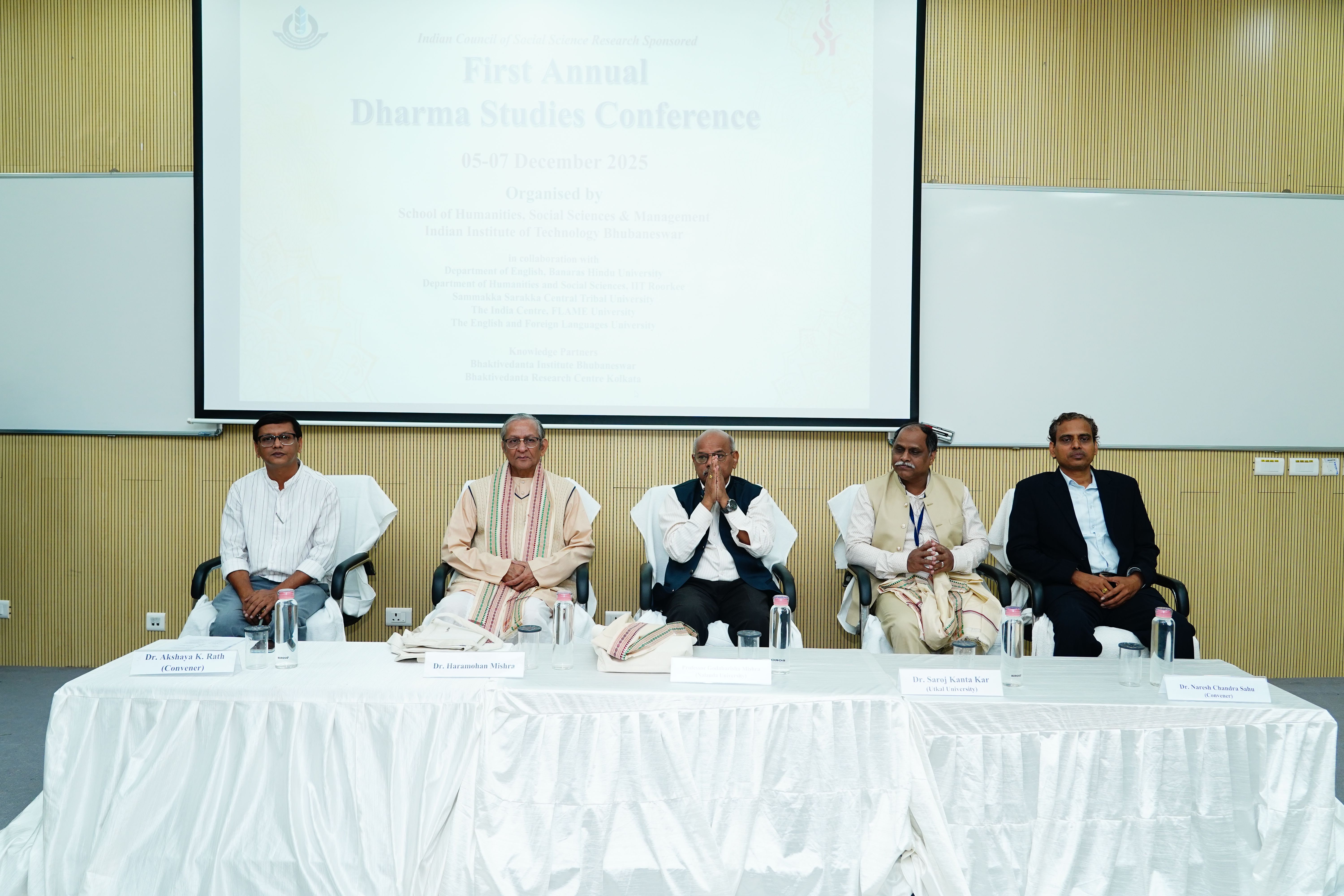
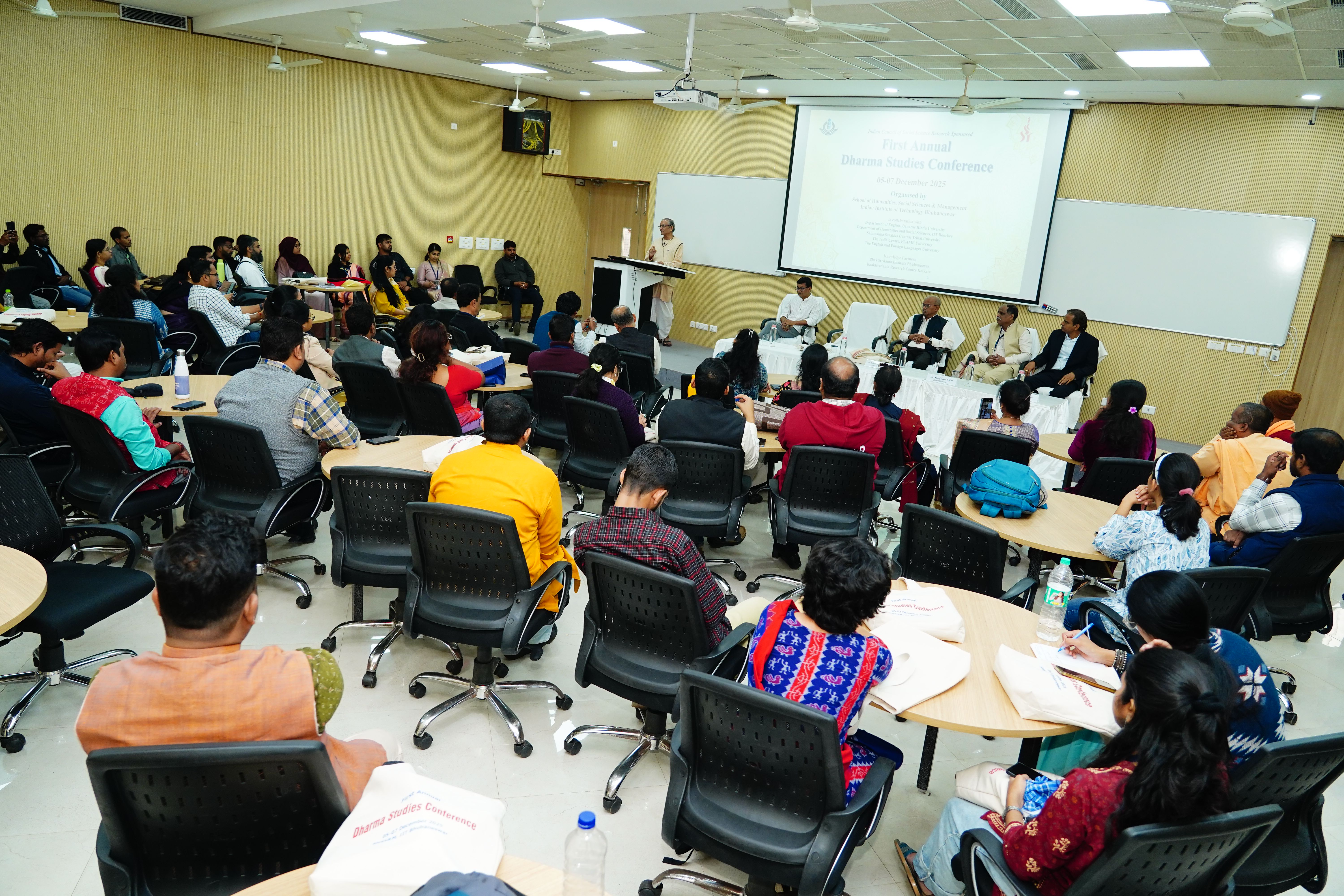
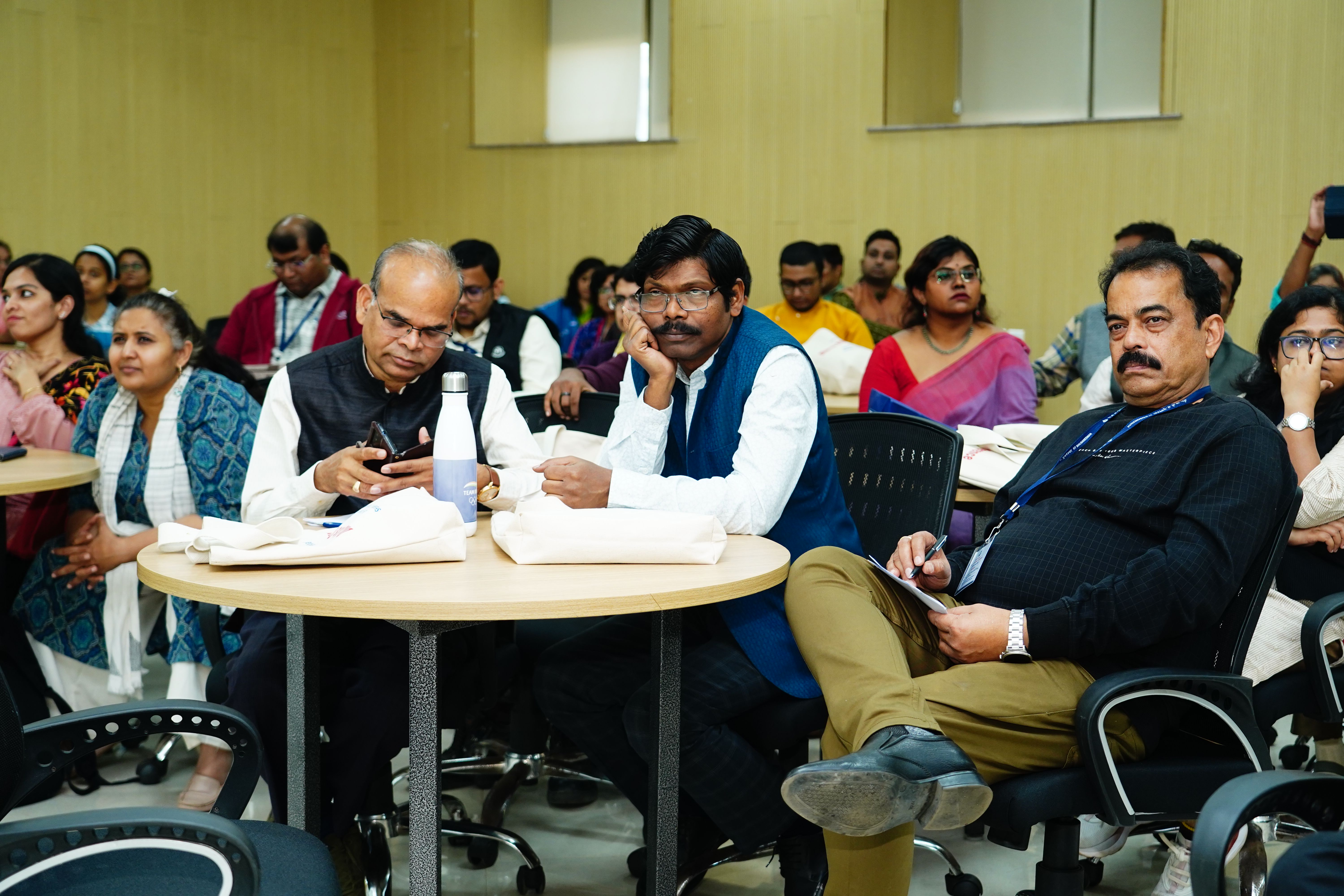
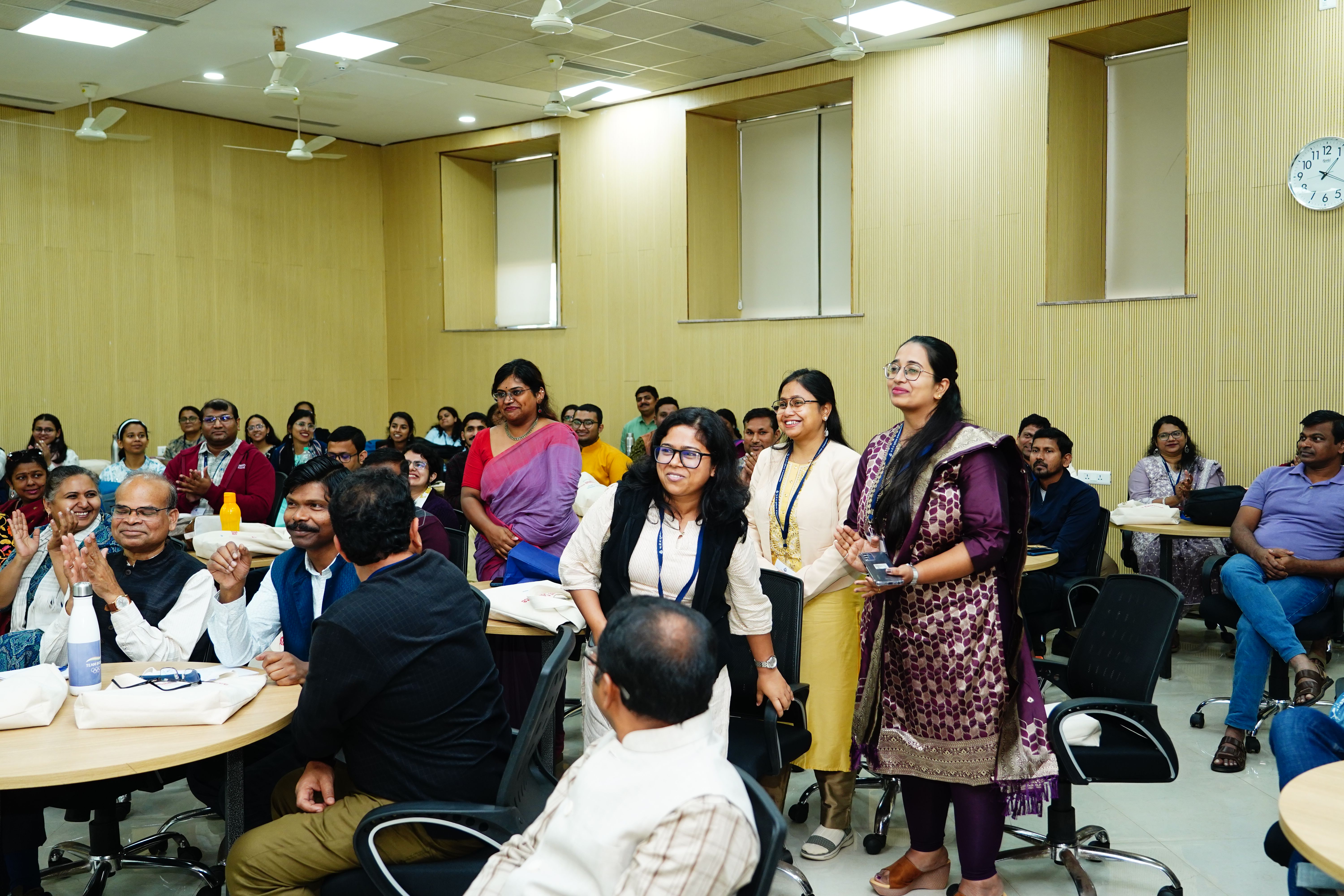
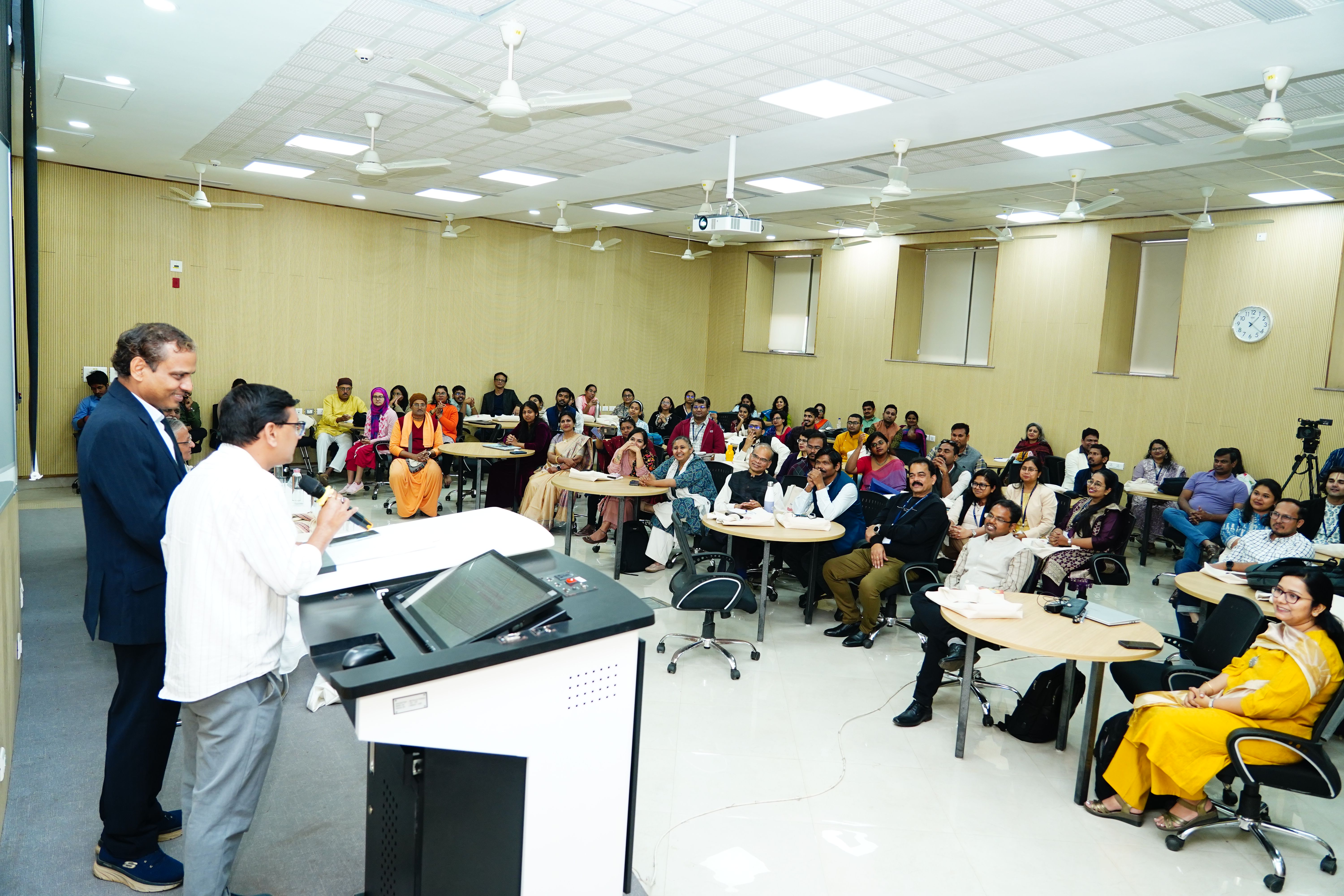
The Second Annual Dharma Studies Conference will take place at IIT Bhubaneswar during 11-13 December 2026. It retains the broad conceptual and structural framework of the first conference that was organized in 2025 at the same institution. Thus it encourages academic dialogues between scholars who are interested in explorations of the dharmic traditions—Hindu, Buddhist, Jain and Sikh—of India and the world. It promotes multi-disciplinarity: scholars may explore dharmic traditions from a wide range of disciplinary locations, from literature and philosophy to history and sociology to neuroscience and economics. The conference positions four principal themes in the limelight and invites deliberations and reflections on them. In addition, it draws attention to a wide range of areas and themes that scholars may have an interest in.
The Second Annual Dharma Studies Conference invites papers on four principal themes—‘Food,’ ‘Environment,’ ‘The Gentle Human’ and ‘Healing.’ ‘Food’ occupies a central position in the philosophies and practices of dharmic traditions. Consider for a moment the wide variety of contexts in which we engage with food—performance of rituals and pilgrimages; offerings of charity; organization of religious feasts; buying and selling as a source of revenue generation for spiritual establishments, so on and so forth. Not to forget the immense body of literature and discourses available on food. So, the broad question we have in mind is this—what sort of histories of food can one tell if one chooses to reflect on the dharmic traditions? ‘Environment’ is the second principal theme that we invite reflections on. Environment is at the heart of dharmic imagination and praxis. From the delineations of the Ashok Vatika and Khandava Van in the epics of Ramayana and Mahabharata to the deep evocations of the mahatmya of the Bhadrapada months of Asvina, Karttika, Margasirsa, Asadha and Sravana in bhakti literary corpus—environment is at the heart of dharmic textual imagination. So also in praxis. Ecological features are central to pilgrimage traditions. People travel on foot to Badrinath and Hemkud Sahib, circum-ambulate rivers such as Narmada and visit seascapes at Rameshwaram and Dwarka. We invite reflections on the dharmic engagement with environment. ‘The Gentle Human’ is our third principal theme. Dharmic traditions lend emphasis on proper cultivation of one’s self. It involves growing aware of one’s own flaws and then make a sincere effort to rise above them. It involves attending to and nourishing one’s virtues, or at least keep virtues as a goal worth pursuing. What emerges through the processes of self-cultivation is the ideal figure of a polite human or a gentle human. A range of terms exist in various Indian languages to describe this person—Sajjana, Bhadra, so on and so forth. In keeping with this basic pointer, we enquire about the cultural histories of politeness or gentleness that dharmic traditions help us reconstruct. ‘Healing’ is our last principal theme for this year’s conference. To heal oneself and others is an integral part of the cultural heritage of the dharmic tradition. The Buddha was known as the Mahabhisak or the Supreme Healer. Charaka, Sushruta, and the Siddhars produced voluminous bodies of literature on healing. We invite papers on how dharmic traditions approach disease and healing.
A subfield of Religious Studies, Dharma Studies promotes critical, grounded as well as constructive enquiries into the Indic religious traditions, their histories, literatures, discursive as well material cultures, philosophies, rituals, music and dance. As we conceptualize the field, three core concerns stand out. First, the field is about the Indic life world the dharmic traditions constitute and share among themselves. Sensitive enquiries into this life world need to take into account both the long inheritances as well as evolutions. They also need to pay careful attention to the relationships between the dharmic traditions, their affinities and differences. Instead of positioning one against the other we are more interested to explore what they share, and enable dialogues between them. Second, this Indic life world acquired its modern forms and practices in the midst of other unfolding historical processes such as European colonialism as well as global capitalism. Hence, the interface between dharmic traditions, and European colonialism and global capitalism constitutes a central concern for our work. Third, we see the field particularly concerned with methods and languages. Training in standard academic methods of studying religion is essential for fruitful engagement with Indic traditions. So is competency in Indian classical and vernacular languages. Having said that, we believe, a comparative awareness of how methods and languages are employed in other sub-fields of religious studies, Jewish studies or Islamic studies for instance, helps in reflecting on their usage vis-à-vis Indic traditions. At the same time, we remain open to questions about limitations of available methods or necessity of evolving more specific theoretical models as regards the study of Indic religions.
Moving beyond the four principal ‘Themes in Focus,’ the conference invites papers in a wide range of areas including but not confined to:
| Bhakti Literatures and Thought | Indian Epics and Their Retellings | Visual Media and Dharmic Traditions |
| Dharma and Ecology | Music and Dance in Dharmic Traditions | Life Histories of Katha Vachaks |
| Dharmic Periodicals and Their Publics | Ethical Self-Cultivation | Dharmic Traditions and the Diaspora |
| Transnational Dharmic Traditions | Dharma and Digital Communities | Histories of Family Worship |
| Deities and Temples | Animals and Dharmic Traditions | Disability and Dharmic Narratives |
| Charity | Dharma and the Market | Manuscript Cultures |
| Pilgrimage Narratives | Dharma and Aesthetics | Dharma and Medical Humanities |
| Archaeology of Dharmic Sites | Economic Histories of Dharmic Institutions | Dharma, Ayurveda and Healing |
| Dharma in the Age of AI | Dharma and Intellectual Property Rights | Dharma and Legal Studies |
| Dharma-economics | Interfaith Dialogues |
Program & Schedule
Will be Updated shortly
Confirmed Speakers
Will be updated shortly!
Travel & Logistics
Railway Station: Khurda Road (Code: KUR) [7 kms]
Railway Station: Bhubaneswar (Code: BBS) [31 kms]
Biju Patnaik International Airport (Code: BBI) [27 kms]
For further details (Location and Maps), visit https://www.iitbbs.ac.in/index.php/home/how-to-reach/
Places of Interest:
https://odishatourism.gov.in/content/tourism/en/discover/major-cities/bhubaneswar.html
Call for Papers
Please submit your abstracts using the following link: https://forms.gle/k7B6FpAk8gb8Agku9. The conference is particularly interested in early career faculty members and Ph.D. scholars in Indian academia. Exceptional proposals from MA students will also be considered. The last date for the submission of abstracts and bio-note is 14 September 2026. Intimations will be sent to selected participants by 21 September 2026. Deadline for Registration: 28 September 2026. The decision of the Organizing Committee will be final as regards the selection of abstracts.
Scan the QR to send your Abstract:

Call for Panels
Panel proposals are also welcome. Proposers of panels may email us directly (conference.dharma@gmail.com). We invite panels that bring together 4-5 scholars from different disciplines and methodological orientations to explore shared concerns within and across dharmic traditions. Proposals may focus on textual, visual, performative, digital, or ethnographic dimensions of dharma and are encouraged to critically reflect on both historical inheritances and contemporary cultural practices. Each panel should aim to generate dialogue between traditions, challenge dominant narratives, and contribute to evolving models of critical inquiry in Dharma Studies.
Partner Institutes
Knowledge Partners
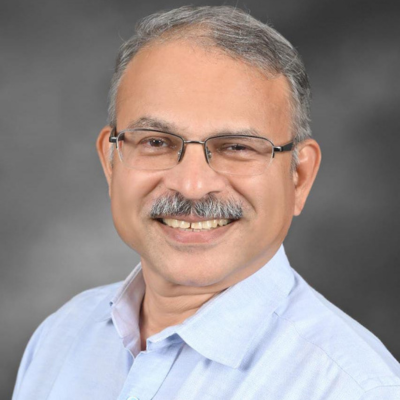
Shreepad Karmalkar
Director
IIT Bhubaneswar
Conveners
|
Akshaya K. Rath
IIT Bhubaneswar |
Naresh Chandra Sahu
IIT Bhubaneswar |
Siddharth Satpathy
University of Hyderabad |
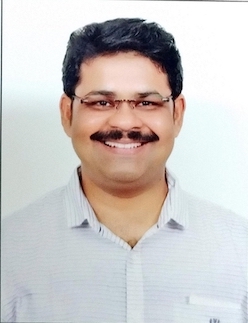
Coordinators
|
Ferdinando Sardella
Stockholm University |
Sanjit Mishra
IIT Roorkee |
|
Vamshi Krishna Reddy
University of Hyderabad & Sammakka Sarakka Central Tribal University |
Vinod Balakrishnan
NIT Tiruchirappalli |
|
Chandan Panda
Central University of Karnataka |
Dhrubajyoti Sarkar
University of Kalyani |
|
Upender Gundala
The English and Foreign Languages University |
Sumanta Rudra
Bhaktivedanta Research Center |
|
Kishore Vadthya
Jawaharlal Nehru University |
Executive Committee
Organizing Committee
| Amrita Satapathy, IIT Bhubaneswar | Punyashree Panda, IIT Bhubaneswar |
| Dukhabandhu Sahoo, IIT Bhubaneswar | Sitakanta Panda, IIT Bhubaneswar |
| Anamitra Basu, IIT Bhubaneswar | Sreetama Misra, IIT Bhubaneswar |
| R Venkata Raghavan, IIT Bhubaneswar | Rajakumar Guduru, IIT Bhubaneswar |
| Akshaya K. Rath, IIT Bhubaneswar | Naresh Chandra Sahu, IIT Bhubaneswar |
Advisors
|
Godabarisha Mishra
Nalanda University |
Binayak Rath
Former Vice Chancellor, Utkal University |
Important Dates
Deadline for submission of abstracts: 14 September 2026
Intimation of acceptance: 21 September 2026
Deadline for registration: 28 September 2026
Registration Details
Delegates without accommodation: INR 3000/ OR USD 75
Delegates with in-campus hostel accommodation (research scholars and students): INR 5000/ or USD 80 [This will include accommodation on a sharing basis at IITBBS hostel rooms, hostel guest rooms or NISER guest houses for three nights, conference kits, coffee and snacks at conference venue, conference lunch and special dinner.]
Delegates with in-campus guesthouse accommodation (faculty and senior scholars): INR 6500/ or USD 100 [This will include accommodation on a sharing basis at IITBBS / NISER guest house or hall guest-rooms for three nights, conference kits, coffee and snacks at conference venue, conference lunch and special dinner.]
[Since guest house accommodation is limited, we won’t be in a position to accommodate guests accompanied by delegates. Please note that the registration fee is non-refundable under any circumstances.]
Delegates presenting online: INR 3000/ or USD 75
Payment Link: https://payments.billdesk.com/bdcollect/bd/iitbhubaneswarresearchinternshipforfaculty/17195
Awards and Prizes
1. Whabiz Merchant Best Essay Prize Instituted by Professor Hoshang Merchant. INR 10,000/ and Citation. Open to all.
2. AC Bhaktivedanta Swami Prabhupad Award Instituted by Bhaktivedanta Research Centre. INR 10,000/ and Citation. This award will go to a selected paper on Vaishnavism / Vaishnava Archives.
3. Snehid Award for New Directions in Dharma Studies: Instituted by NumroVani. INR 11,000/ and Citation. Open to all. This award will go to original research across the following five designated areas: Dharma and Medical Humanities; Dharma, Ayurveda, and Healing; Dharma in the Age of AI; Ethical Self-Cultivation; and Music and Dance in Dharmic Traditions.
4. Sneha Award for Women Scholars in Dharma Studies: Instituted by NumroVani. INR 11,000/ and Citation. Open to women researchers.
Note: To be considered for the above awards, scholars have to send their full papers by 30 November 2026. After review by an expert team, three selected papers for each award will be invited for presentation in two special sessions during the conference. We discourage virtual presentation in this category.
Contact Us
For any information or query related to the conference, please email us at: